Musty odor that won't go away
We locate the wet insulation, remove it, treat the framing with antimicrobial solution, and install new material. We also run an air scrubber and ozone generator to clear residual odors from your living space.
When a burst pipe, roof leak, or crawl space flood soaks your insulation, it stops insulating and starts growing mold. Our Insulation Removal and Replacement Falls Church VA crew pulls the saturated material, dries the cavity, and installs new insulation built for Virginia's humidity. We serve homeowners across Falls Church County, from Seven Corners to Lake Barcroft. Call 571-760-4393 and we'll be there same day.
Tell us what is happening. Our local team will confirm your visit shortly.
Call Now 5717604393 → No spam. No obligation. Just practical help.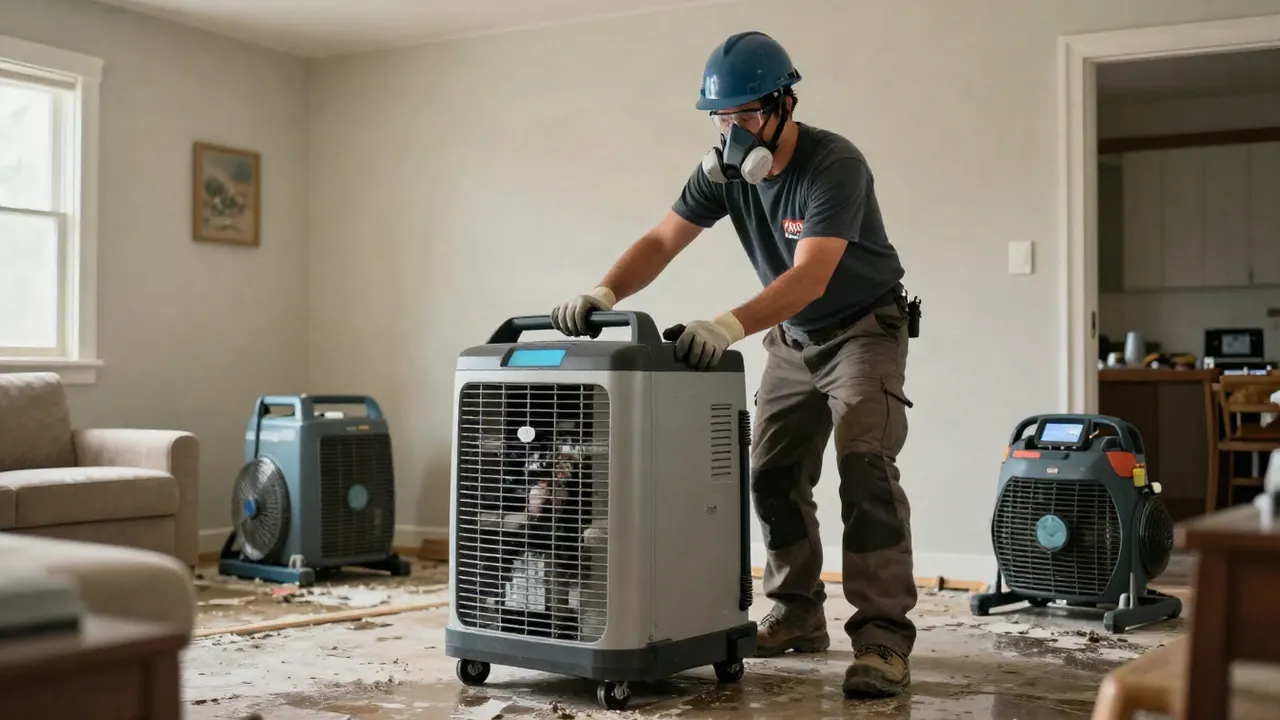
Insulation Removal and Replacement Falls Church VA is the process of pulling out water-damaged, moldy, or compressed insulation and installing new material that restores your home's thermal barrier. Once fiberglass batts or blown-in cellulose get wet, they don't bounce back. They slump, lose their R-value, and hold moisture against wood framing. We remove every saturated batt, bag it, and haul it off, then dry the studs and sheathing before anything new goes in.
In Falls Church, the call usually comes after a sump pump failure, a frozen pipe that let go in January, or a slow roof leak that dripped into the attic for weeks before anyone noticed. By the time you smell that musty odor, the insulation has been wet for a while. We run moisture mapping and thermal imaging to find every damp pocket, then replace the insulation so your home holds heat in winter and stays cool in July.
Every job includes the full scope from inspection through final walkthrough. Here's what's covered, so you know exactly what you're paying for.
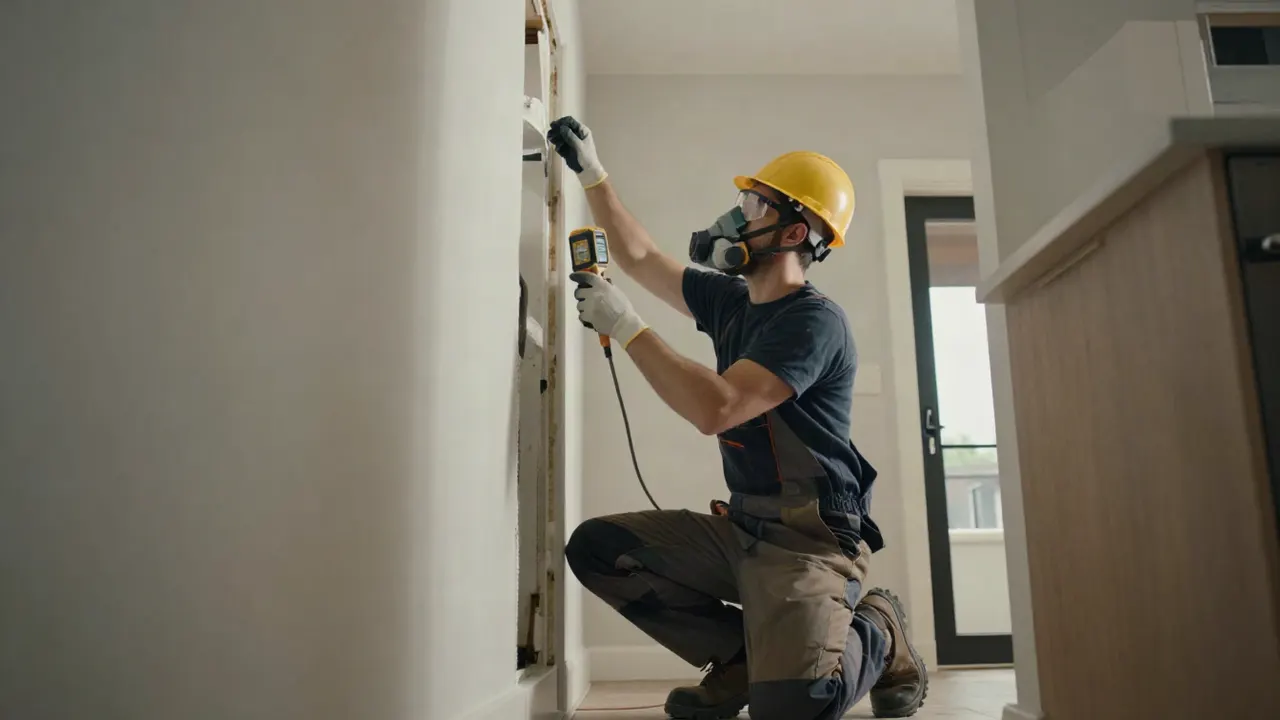
We use a moisture meter, thermal imaging camera, and borescope camera to find every wet spot, not just the obvious ones. You get a written report with photos showing exactly what's wet and what isn't.
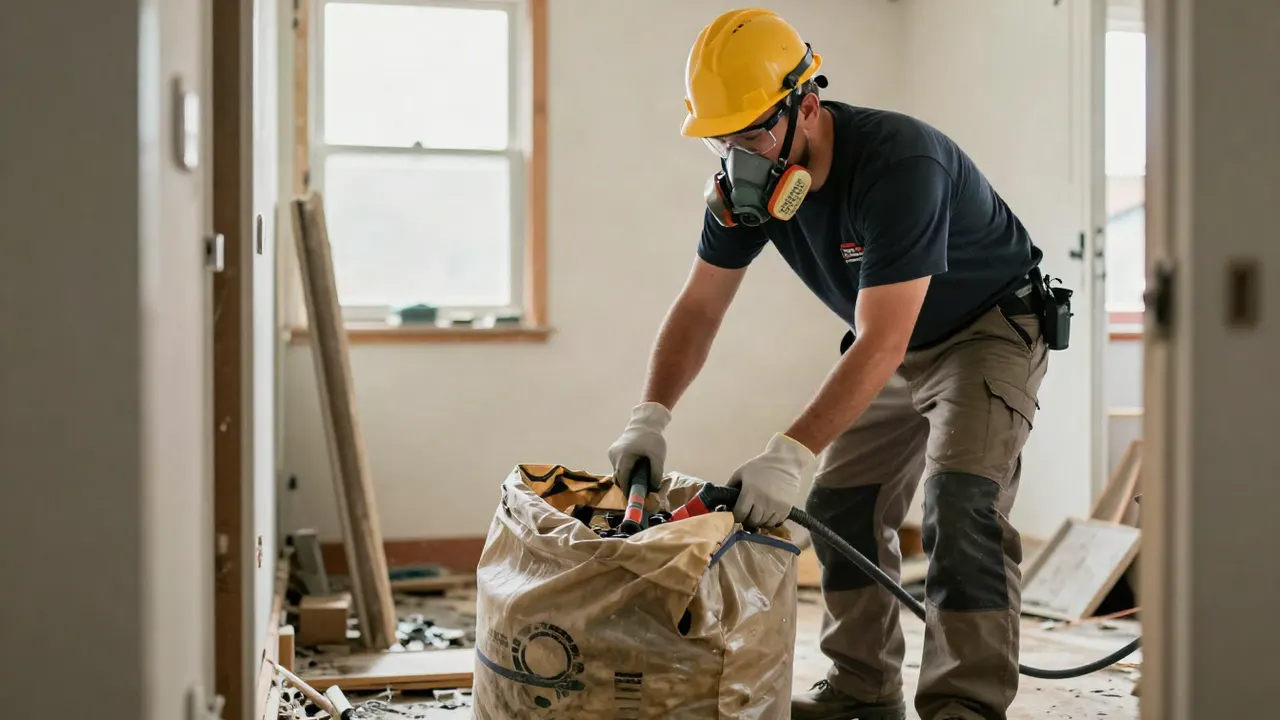
We seal off the work area with plastic sheeting and run negative air pressure so dust and mold spores don't spread into your living space. All removed insulation is bagged and hauled off-site.
After removal, we treat the framing and sheathing with antimicrobial solution to kill mold spores and prevent regrowth. This step is critical in Falls Church's humid summers.
We set dehumidifiers and air movers and monitor moisture daily until the wood reads below 15 percent. New insulation never goes in until the cavity is fully dry.
We install blown-in fiberglass, batts, or rigid foam depending on the space, and air-seal around pipes and wires first. Every install meets Virginia energy code for our climate zone.
We re-check moisture levels, confirm insulation depth, and give you photos of the finished work. You also get a written summary you can hand to your insurance adjuster.
We arrive with a moisture meter, thermal imaging camera, and borescope camera to map exactly where water traveled. Insulation hides leaks, so we check the framing behind it, not just the surface. You get a written scope and a flat price before we start. Most inspections take 45 to 60 minutes.
We lay plastic sheeting, seal off HVAC returns, and set up negative air pressure so dust and mold spores don't migrate into your living room. Then we pull the wet insulation by hand and with a wet/dry vacuum, bag it, and haul it out. A typical 1,200-square-foot attic takes three to five hours.
Before any new insulation goes in, the cavity has to be dry. We set Dri-Eaz and Phoenix Restoration Equipment dehumidifiers and air movers, and run them until a hygrometer reads below 15 percent wood moisture content. We treat framing with antimicrobial solution and remove any mold growth we find.
We install the right material for the space: blown-in fiberglass for open attics, batts for wall cavities, and rigid foam board for crawl space walls. We air-seal around pipes, wires, and top plates first. Most installs take two to four hours depending on square footage and access.
We re-check moisture readings, confirm the insulation depth meets Virginia code, and walk you through what we did. You get photos of the finished work and a written summary. If we installed a vapor barrier or sealant, we explain how to keep it intact going forward.
Purpose-built equipment, used by trained technicians — so the job is done accurately the first time.
Reveals temperature differences that indicate hidden moisture behind walls, ceilings, and insulation. We use it to map exactly where water traveled before we remove anything.
Measures wood moisture content and ambient humidity. We use these to confirm when framing is dry enough for new insulation, typically below 15 percent.
Commercial-grade dehumidifiers that pull hundreds of pints of water per day from the air. Essential for drying cavities before insulation replacement.
High-velocity fans that circulate air through wall cavities and crawl spaces to speed drying. We position them based on moisture mapping results.
A flexible camera that lets us see inside wall cavities and behind insulation without tearing everything open. We use it to confirm the extent of water damage.
Removes standing water and saturated debris from crawl spaces and attics. We use Ridgid and DeWalt units for fast extraction.
Filters airborne mold spores and odors during removal. We run air scrubbers continuously and use ozone generators after the job to clear residual smells.
A supply line burst in the attic of a 1950s bungalow near Downtown Falls Church. Half the fiberglass batts were soaked and sagging. The homeowner noticed a musty smell and a spike in heating costs.
We removed 600 square feet of wet insulation, dried the joists to 12 percent moisture content, treated the framing with antimicrobial solution, and installed new blown-in fiberglass at R-49. Heating bill dropped $75 the next month.
A sump pump failed during a July storm and flooded the crawl space of a home in West Falls Church. The insulation was soaked and mold was starting on the joists.
We pumped out 4 inches of standing water, removed 800 square feet of wet insulation, remediated early mold growth, and installed vapor-barrier-backed insulation with rigid foam on the walls. Moisture readings dropped from 28 percent to 11 percent.
A roof leak dripped into the attic of a Lake Barcroft home for weeks before the homeowner noticed a ceiling stain. The insulation underneath was soaked and compressed.
We fixed the roof leak, removed 400 square feet of wet blown-in insulation, dried the decking and rafters, and installed new insulation with improved ventilation. The musty smell cleared within 48 hours.
Wet insulation causes problems that get worse the longer you wait. Here are the most common issues we fix for Falls Church homeowners.
Ask a pro →We locate the wet insulation, remove it, treat the framing with antimicrobial solution, and install new material. We also run an air scrubber and ozone generator to clear residual odors from your living space.
We replace the failed insulation with new material rated for Virginia's climate zone, and we air-seal gaps around pipes and top plates while the cavity is open. Most homeowners see a 15 to 25 percent drop in heating costs.
We remove the wet insulation feeding the mold, remediate the affected framing, and install new insulation with a vapor barrier to keep moisture out. We follow IICRC AMRT protocols for mold remediation.
We document everything with photos, moisture logs, and an Xactimate estimate. We talk to your adjuster directly and provide the drying records they need to approve the claim.
$600 - $4,500 depending on scope
Typical 2026 pricing for insulation removal and replacement in Falls Church runs $1,200 to $4,500 for a full attic or crawl space. Small attic sections start around $600. The price depends on square footage, insulation type, how much mold treatment is needed, and whether we're installing batts, blown-in, or rigid foam. We give you a flat written price before we start, and we bill insurance directly when the damage is covered. If you're looking for affordable insulation replacement Falls Church VA, we'll walk you through every line item so there are no surprises.
New insulation pays for itself. Most Falls Church homeowners see a 15 to 25 percent drop in heating and cooling costs, and the job prevents mold growth that could cost thousands more to fix later. You're not just replacing insulation; you're protecting the structure of your home.
The bigger the space, the more material and labor. A 500-square-foot attic takes a few hours; a 1,500-square-foot crawl space can take two days. We measure during inspection and price by the square foot.
Blown-in fiberglass is the most economical. Batts cost a bit more. Rigid foam board for crawl space walls is the most expensive but performs best in damp conditions. We recommend the right material for your space.
If we find mold during removal, we add remediation to the scope. That includes antimicrobial treatment, air scrubbing, and sometimes replacing affected framing. It adds $300 to $1,200 depending on severity.
Tight crawl spaces, finished attics, and homes with limited access take longer and require more containment. We factor that into the estimate so there are no change orders mid-job.
“A pipe burst in our attic during that cold snap in January and soaked half the insulation. Water Damage Falls Church VA had a crew out the same afternoon. They pulled all the wet batts, dried the framing for two days, and installed new insulation. Our heating bill dropped $80 the next month. Clean work, no mess left behind.”
Karen M.Homeowner, Broadmont
✓ Verified“We had a musty smell in the crawl space for months and couldn't figure out why. Turns out the insulation was soaked from a slow sump pump leak. They removed all of it, treated for mold, and put in new vapor-barrier insulation. The smell is gone and the crawl space is finally dry. Fair price and they explained everything.”
David R.Homeowner, West Falls Church
✓ Verified“After a roof leak, our attic insulation was a mess. I called three companies and these guys were the only ones who actually tested the moisture instead of just guessing. They removed the wet insulation, dried everything, and installed new blown-in. They also handled the insurance paperwork. Highly recommend.”
Priya S.Homeowner, Lake Barcroft
✓ VerifiedMost Falls Church jobs run $1,200 to $4,500 for a full attic or crawl space in 2026. Small attic sections start around $600. The price depends on square footage, insulation type, how much mold treatment is needed, and whether we're installing batts or blown-in. We give you a flat written price before we start, and we bill insurance directly when the damage is covered.
The three telltale signs are a musty odor that won't go away, rising heating bills, and visible sagging or dark staining in the attic or crawl space. A moisture meter confirms it in seconds. If you've had a roof leak, burst pipe, or sump pump failure in the past month, assume the insulation behind that wall or ceiling is wet until we test it. Call us and we'll check it same day.
No. Once fiberglass or cellulose insulation gets soaked, it loses its structure and can't be restored. Drying it in place leaves mold spores and compressed material behind. The right fix is removal, drying the framing, treating with antimicrobial solution, and installing new insulation. That's the only way to get your R-value back and stop mold growth.
A standard attic or crawl space takes one to two days from removal to final install. The drying step adds 24 to 72 hours depending on how wet the framing is. If mold treatment is needed, add another day. We give you a day-by-day schedule up front so you know when the job wraps and when you can use the space again.
 Water Damage RestorationInsulation replacement is usually the last step of a full water damage restoration job. We dry the structure, remove damaged materials, and rebuild so your Falls Church home is back to normal.Explore →
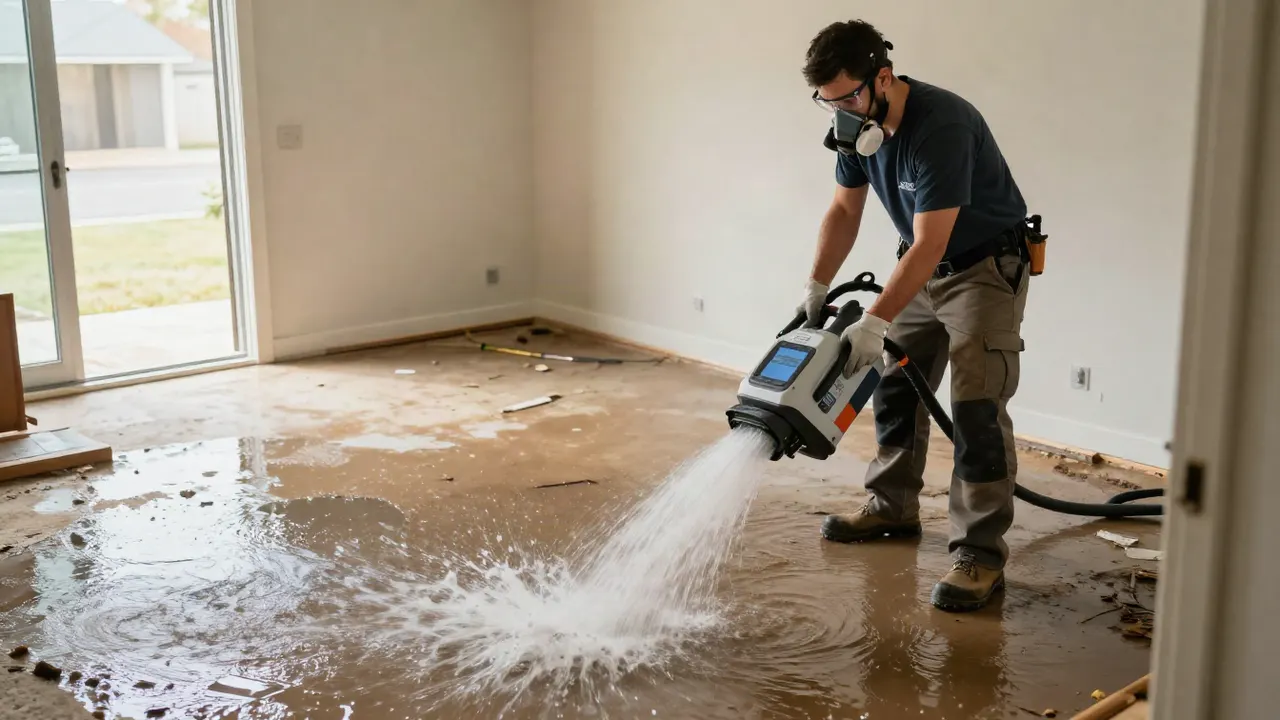 Emergency Water ExtractionStanding water soaks insulation fast. We extract it within hours of your call, which limits how much insulation has to be torn out and replaced in your attic or crawl space.Explore →
 Flood CleanupAfter a flood in Falls Church, insulation in lower walls and crawl spaces is almost always a loss. We handle the cleanup, sanitizing, and insulation replacement in one job.Explore →
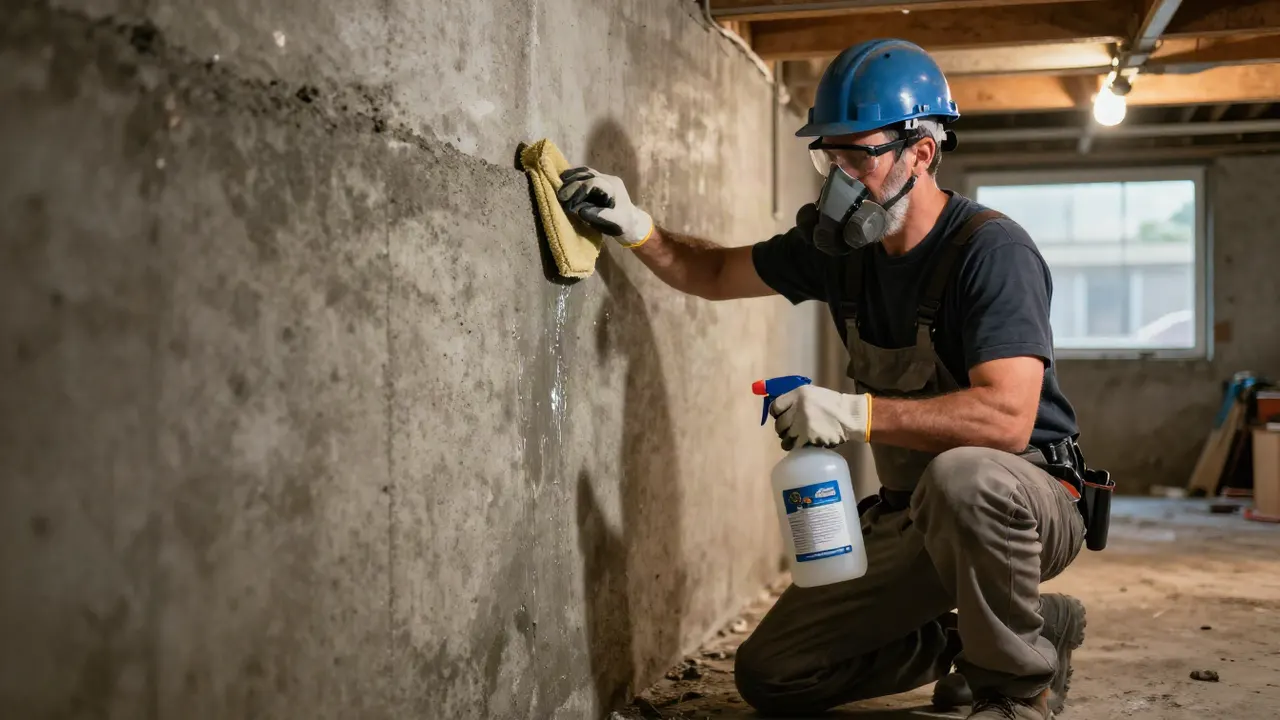 Basement Water RemovalBasement flooding wicks up into rim joists and wall insulation. We remove the water, pull the wet insulation, and install moisture-resistant material that holds up better.Explore →
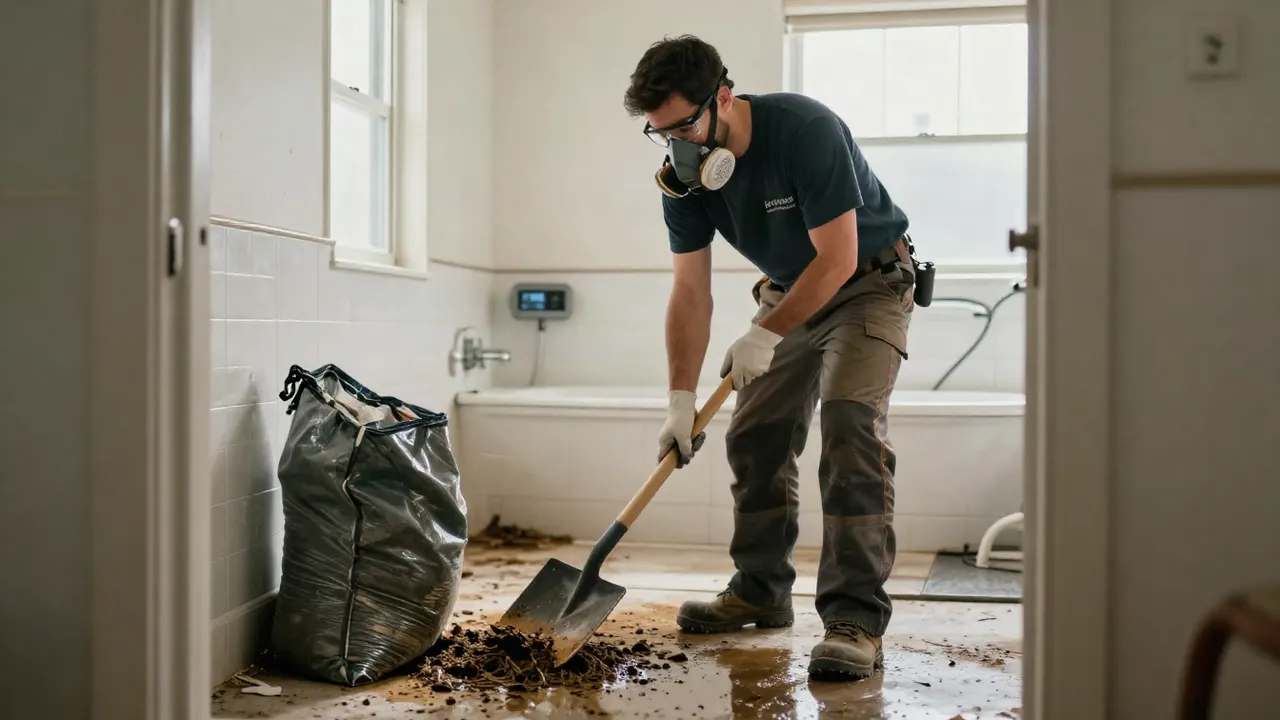 Sewage Backup CleanupSewage-contaminated insulation has to be removed, no exceptions. We handle the safe disposal, disinfection, and replacement so your Falls Church home is sanitary again.Explore →
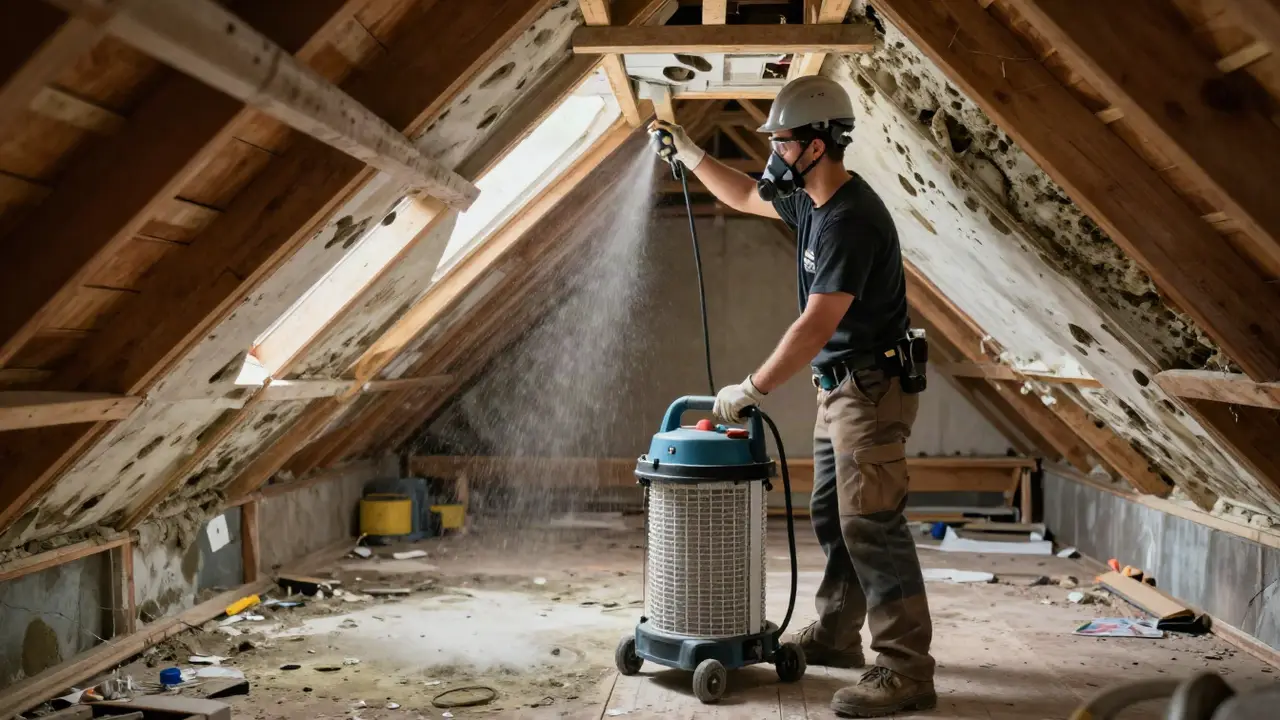 Mold RemediationWet insulation is a mold magnet. When we find growth during removal, we remediate the framing and sheathing before installing new insulation, so mold doesn't come back.Explore →
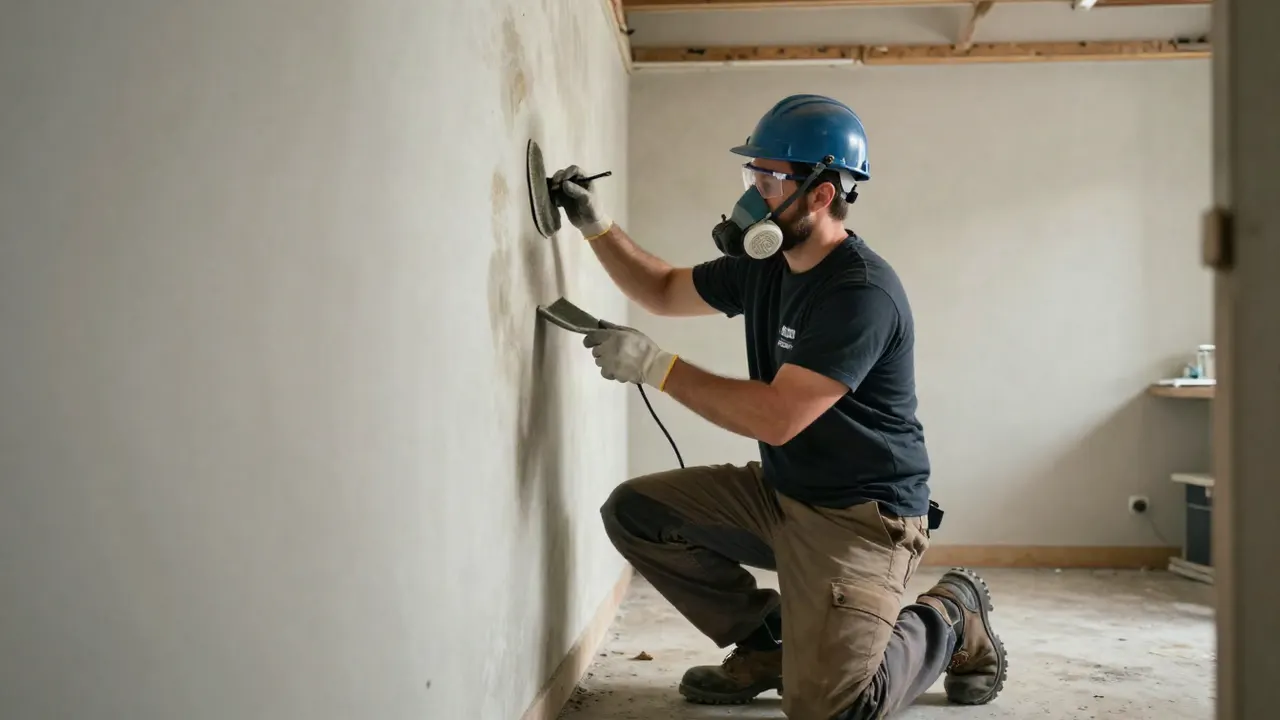 Mold Inspection and TestingIf you smell something musty but can't find the source, we test the air and surfaces. Insulation often hides the problem. Testing tells us whether removal and replacement is needed.Explore →
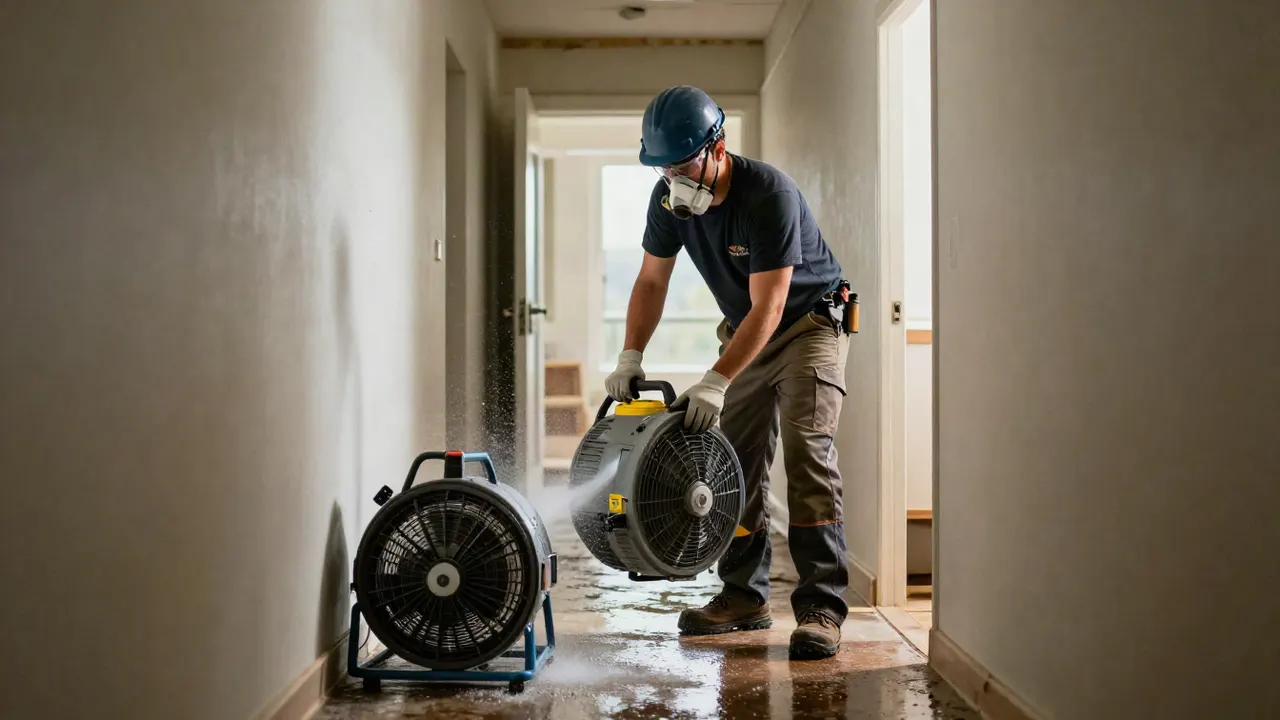 Dehumidification and DryingNew insulation can't go in until the cavity is dry. We run commercial dehumidifiers and air movers until moisture readings hit safe levels, then install.Explore →
Wet insulation gets worse every day it sits. We answer 24/7, arrive same day, and give you a flat price before we start. Call 571-760-4393 and we'll schedule your inspection today.
Schedule Free Inspection 5717604393 →Call us any time, day or night, at 571-760-4393. We answer live, ask a few questions to size the job, and dispatch the nearest crew. Most Falls Church addresses see a technician within 60 to 90 minutes. If you prefer email, send photos and a description to [email protected] and we will get back to you fast.