Wet carpet padding that never fully dries
We extract the pad directly with a truck-mounted unit, not just the carpet surface. If the pad is too far gone, we pull and replace it, then dry the subfloor before reinstalling.
Carpet and Rug Water Extraction Falls Church VA is the fastest way to stop a spill, burst pipe, or sump pump failure from turning into a mold job. We pull standing water out of carpet, pad, and area rugs, then dry the whole assembly with commercial air movers and dehumidifiers. If your floor is squishing underfoot right now, call 571-760-4393 and we will roll a truck.
Tell us what is happening. Our local team will confirm your visit shortly.
Call Now 5717604393 → No spam. No obligation. Just practical help.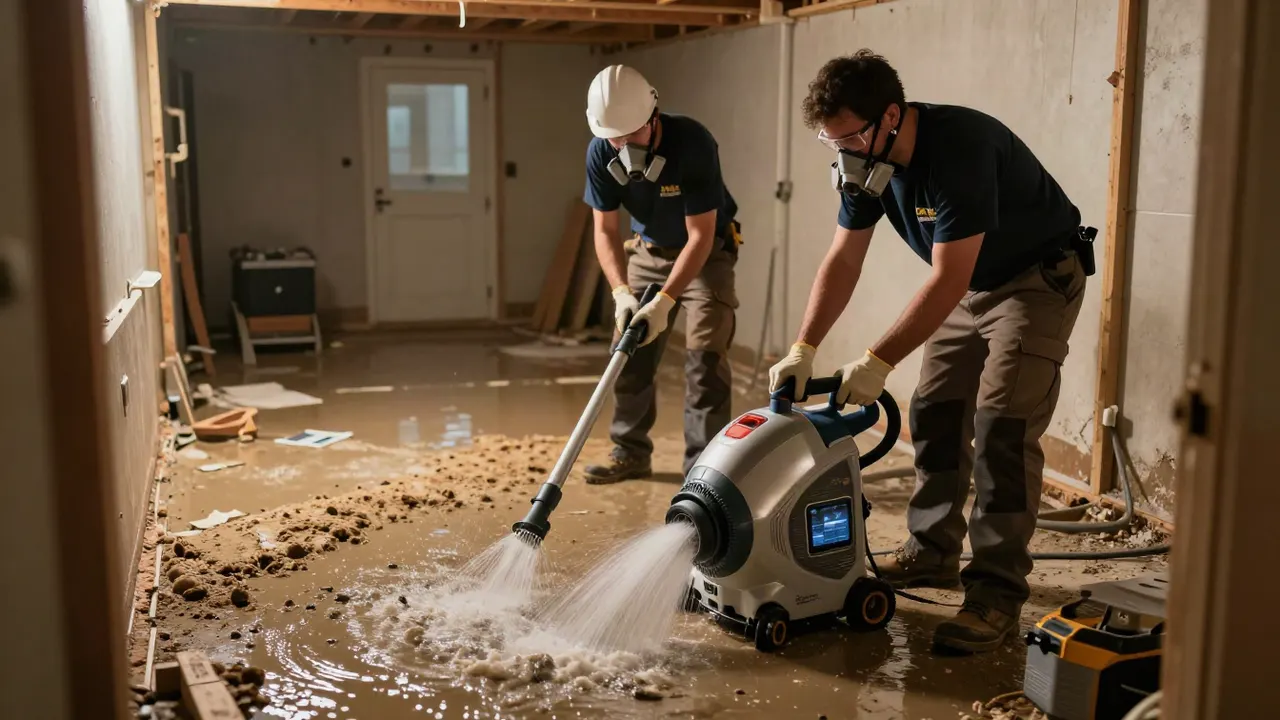
Carpet and Rug Water Extraction Falls Church VA is a water damage service that removes standing water and trapped moisture from carpet fibers, carpet padding, and area rugs before mold and delamination set in. We start with a moisture meter and thermal imaging camera to map how far the water traveled, then run a truck-mounted water extraction unit and wet/dry vacuum across every affected square foot. Extraction alone pulls 80 to 90 percent of the water; the rest comes out with Dri-Eaz and Phoenix Restoration Equipment air movers and dehumidifiers over the next two to four days.
Most calls we take in Falls Church come from one of four things: a burst pipe behind a kitchen wall, a sump pump failure during a spring storm, an appliance leak from a washing machine or water heater, or a roof leak that soaks the carpet below. Older homes near Seven Corners and Broadmont often have original hardwood under the carpet, so we move fast to keep water from reaching the subfloor. If you are searching for carpet water extraction near me Falls Church VA at 2 a.m., we answer the phone and dispatch.
Every extraction job includes inspection, extraction, antimicrobial treatment, and drying setup. What changes from job to job is how much material can be saved and how long drying runs. Here is what you get on a standard call.
We walk the affected area with a moisture meter and thermal imaging camera and mark where water traveled. You get a written map showing wet zones before any equipment is set.
Deep extraction from carpet and pad using a truck-mounted unit and wet/dry vacuum on edges. A standard room takes 45 to 90 minutes. We check with a hygrometer before moving on.
An EPA-registered antimicrobial solution applied to carpet backing, pad, and subfloor after extraction. This is what stops mold from colonizing during the drying phase.
Dri-Eaz and B-Air air movers plus a commercial dehumidifier, positioned based on room size and airflow. Equipment runs continuously for two to four days.
We return each day to log moisture readings and adjust equipment. You get a final report showing dry standard was reached before we pull the gear.
Photos, moisture logs, and a Xactimate-format estimate sent to your carrier. We bill them directly so you are not fronting the full cost out of pocket.
You call 571-760-4393 and describe what happened. We ask about the source, how long the water has been sitting, and whether it is clean or contaminated. A crew is dispatched with a water extraction unit, wet/dry vacuum, and moisture meter already loaded. Typical arrival in Falls Church is 60 to 90 minutes.
We walk the room with a moisture meter and thermal imaging camera to find where water traveled under baseboards and into adjacent rooms. A borescope camera checks inside walls when we suspect a hidden leak. You get a written moisture map before any equipment is set.
Truck-mounted extraction pulls the bulk of the water out of carpet and pad in 45 to 90 minutes for a standard room. We follow with a wet/dry vacuum on edges and corners, then check with a hygrometer. If the pad is delaminated or contaminated, we pull it and dispose of it properly.
We apply an antimicrobial solution to the carpet backing and subfloor, then position Dri-Eaz and B-Air air movers and a commercial dehumidifier. Plastic sheeting may seal off the room to concentrate airflow. Equipment runs 24/7 for two to four days depending on humidity and material.
We return daily to check moisture readings with a hygrometer and infrared thermometer. When carpet, pad, and subfloor hit dry standard, we pull the equipment and give you a final report. If any area is still reading high, we extend drying rather than call it done.
Purpose-built equipment, used by trained technicians — so the job is done accurately the first time.
Pulls water from deep in carpet and pad at high volume. This is the primary extraction tool on every job.
High-velocity airflow across the carpet surface to evaporate moisture into the air for the dehumidifier to catch.
Removes moisture from the air so drying continues instead of stalling out in a humid room.
Measures moisture content in carpet, pad, and subfloor, and tracks relative humidity in the room.
Reveals hidden water behind walls and under flooring that a moisture meter alone would miss.
Inspects inside wall cavities for wicking and mold without opening the wall unnecessarily.
Neutralizes odor at the source and captures airborne spores during the drying phase.
A supply line under the kitchen sink failed overnight and soaked 400 square feet of carpet and pad in the adjoining dining room. Water had wicked into the baseboard and the bottom two inches of drywall.
We extracted 30 gallons of water, pulled and replaced the pad, cut a 2-inch flood line in the drywall, and ran drying equipment for three days. Final moisture readings matched dry standard on carpet, pad, and wall cavity.
A sump pump quit during a spring storm and left two inches of standing water across 600 square feet of finished basement carpet. The water was Category 2 because it had contacted the concrete slab.
We pumped and extracted the standing water, removed the pad and the bottom 12 inches of drywall, applied antimicrobial, and dried the slab and framing over four days. The basement was rebuilt and back in use within two weeks.
A roof leak dripped through the ceiling onto a 9x12 wool area rug and the carpet beneath it. The rug was saturated and the customer assumed it was a total loss.
We tested the rug for dye stability, extracted it with controlled suction, and flat-dried it on a clean surface with air movers for 48 hours. The rug came back with no shrinkage, no dye bleed, and no odor. The ceiling was patched and repainted.
Most carpet water problems start small and get expensive fast. Here are the ones we see most often in Falls Church and how we handle them.
Ask a pro →We extract the pad directly with a truck-mounted unit, not just the carpet surface. If the pad is too far gone, we pull and replace it, then dry the subfloor before reinstalling.
We use a hygrometer to confirm actual dryness, not just surface feel. Antimicrobial treatment and a deodorizer address the source of the odor, and an ozone generator handles stubborn cases.
We check the wall with a borescope camera and moisture meter during inspection. If wicking is present, we cut a flood line, dry the cavity, and repair the drywall after.
We test fiber and dye stability before extraction, then use controlled suction and flat drying. Rugs that need specialty care go to a partner facility with the right equipment.
$350 - $1,200 for most residential jobs; $1,500 - $4,500+ for contaminated or large losses
Typical 2026 pricing for carpet and rug water extraction in Falls Church runs $350 to $1,200 for a residential job, with larger or contaminated losses going higher. The number depends on square footage, water category, how long the water has been sitting, and whether pad or drywall has to be removed. We give you a written price before we start and bill your insurance carrier directly when the loss is covered. Affordable carpet water extraction Falls Church VA means a fair number with no surprise add-ons, not cheap equipment or skipped drying steps.
The cost of extraction is a fraction of the cost of replacement. Saving carpet and pad on a 400-square-foot room avoids $1,500 to $3,000 in new materials and installation, plus the disruption of a multi-day remodel.
A single room runs less than a finished basement. We measure the affected area during inspection and price by the square foot.
Category 1 (clean supply line) is the least expensive. Category 2 (gray water from appliances) requires antimicrobial treatment. Category 3 (sewage) requires removal and disposal of affected materials.
Water sitting more than 48 hours usually means mold growth, which adds remediation to the scope. Fast calls stay cheaper.
If pad has to be pulled and replaced, or drywall has to be cut to a flood line, material and labor add to the total.
“A supply line under the kitchen sink let go on a Saturday night. They had a truck here in about 75 minutes and pulled water out of the carpet and pad before it hit the hardwood underneath. Three days of drying and the moisture readings were back to normal. Insurance covered it and they handled the paperwork.”
Megan R.Homeowner, Broadmont
✓ Verified“Sump pump died during a storm and the basement carpet was soaked. They extracted the whole room, pulled the pad, and set up dehumidifiers. The musty smell was gone by the next morning. Fair price, no upselling, and they explained every step before doing it.”
David K.Homeowner, West Falls Church
✓ Verified“We had a roof leak that soaked a wool area rug and the carpet under it. They tested the rug first, then extracted and flat-dried it without any shrinkage or dye bleed. I honestly thought the rug was a loss. It looks the same as before.”
Priya S.Homeowner, Seven Corners
✓ VerifiedMost residential jobs in Falls Church run $350 to $1,200 in 2026, depending on square footage, water category, and how long the water has been sitting. A single room with clean water from a supply line is on the low end. A finished basement with contaminated water and 800 square feet of carpet is on the high end. We give you a written price before we start, and we bill insurance directly when the loss is covered.
Yes, if we get to it within 24 to 48 hours and the water is Category 1 (clean) or Category 2 (gray). Carpet that has been soaked by sewage backup or standing more than 48 hours usually has to be pulled and replaced because the backing and pad cannot be sanitized. We test before we commit and tell you honestly which way it will go.
Carpet and pad typically dry in 48 to 72 hours with commercial air movers and dehumidifiers running continuously. Thick pad, humid weather, or a slab foundation can push that to four days. We check moisture readings daily and do not pull equipment until the carpet, pad, and subfloor all hit dry standard.
Yes. We handle wool, synthetic, silk, and antique area rugs using controlled extraction and flat drying. We test for dye bleed and fiber stability first, then extract and dry on a clean surface with air movers. Rugs that need specialty cleaning go to a partner facility, and we coordinate pickup and return.
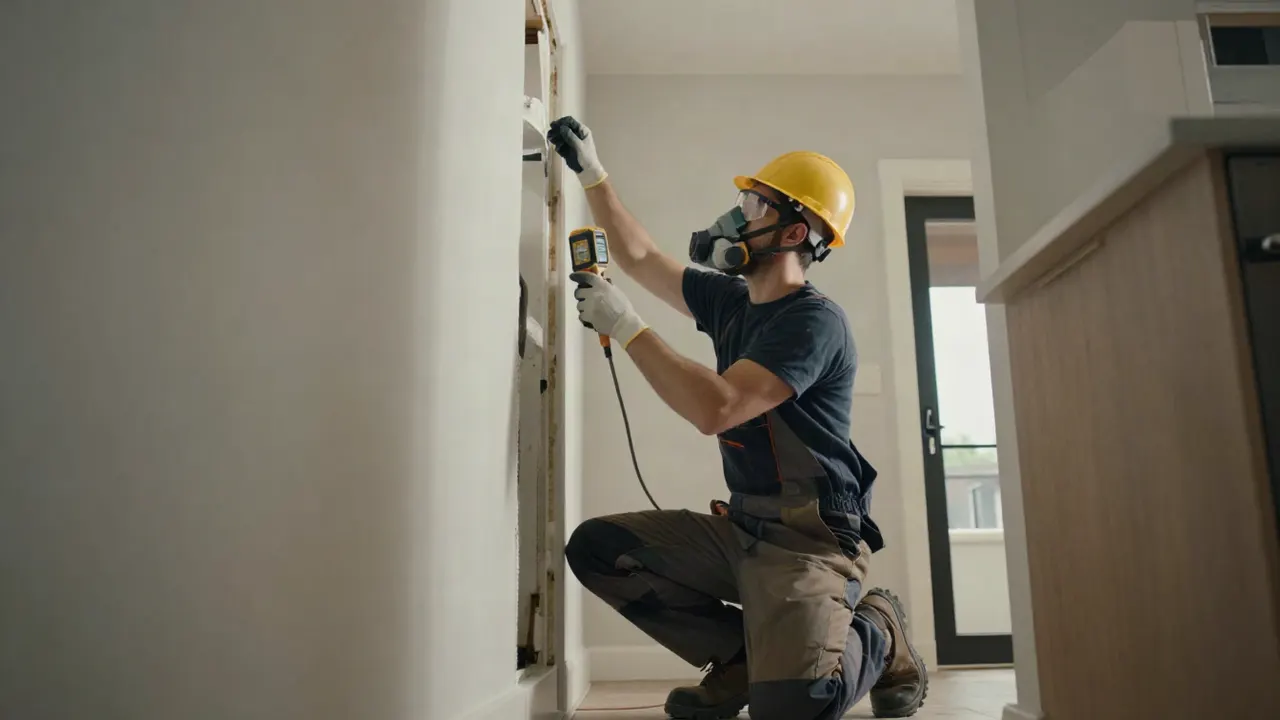 Water Damage RestorationFull-scope restoration from extraction through rebuild. When carpet extraction is only part of the job, we handle drywall, baseboards, and paint so you deal with one crew instead of three.Explore →
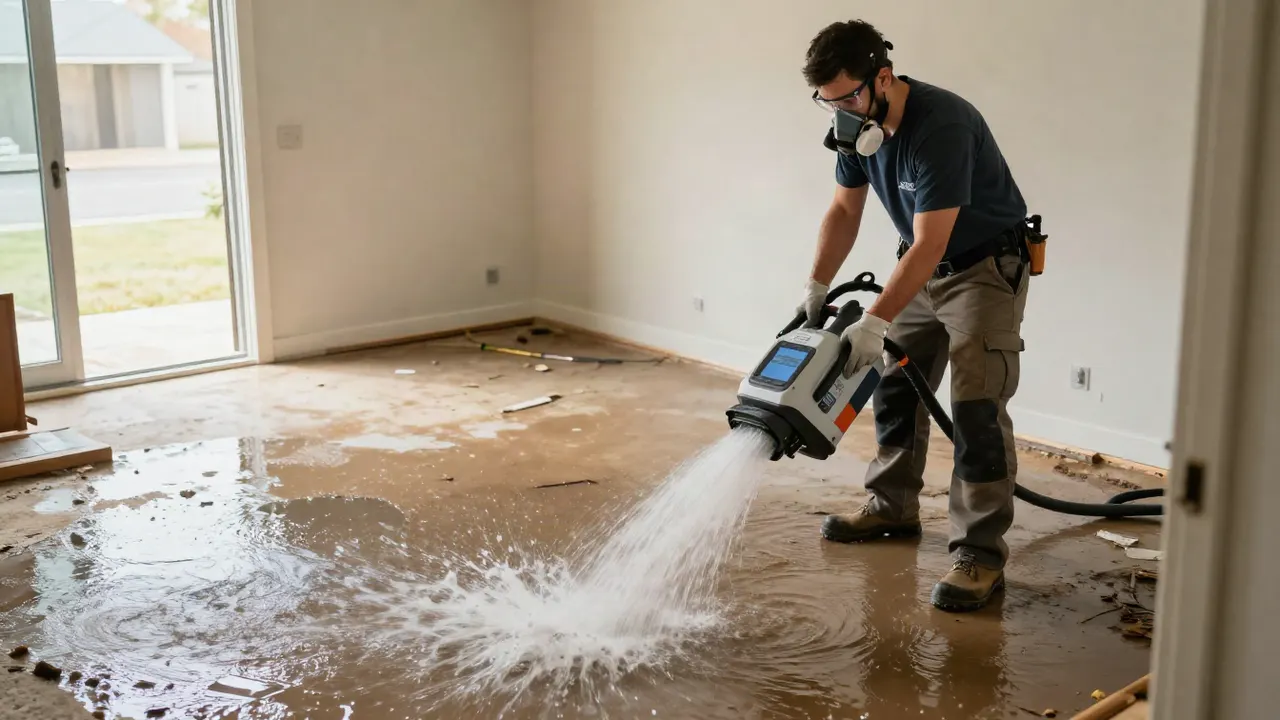 Emergency Water ExtractionThe 24/7 emergency arm of our operation. Same equipment, same technicians, dispatched any hour. Most Falls Church emergency calls are on-site within 90 minutes of the phone ringing.Explore →
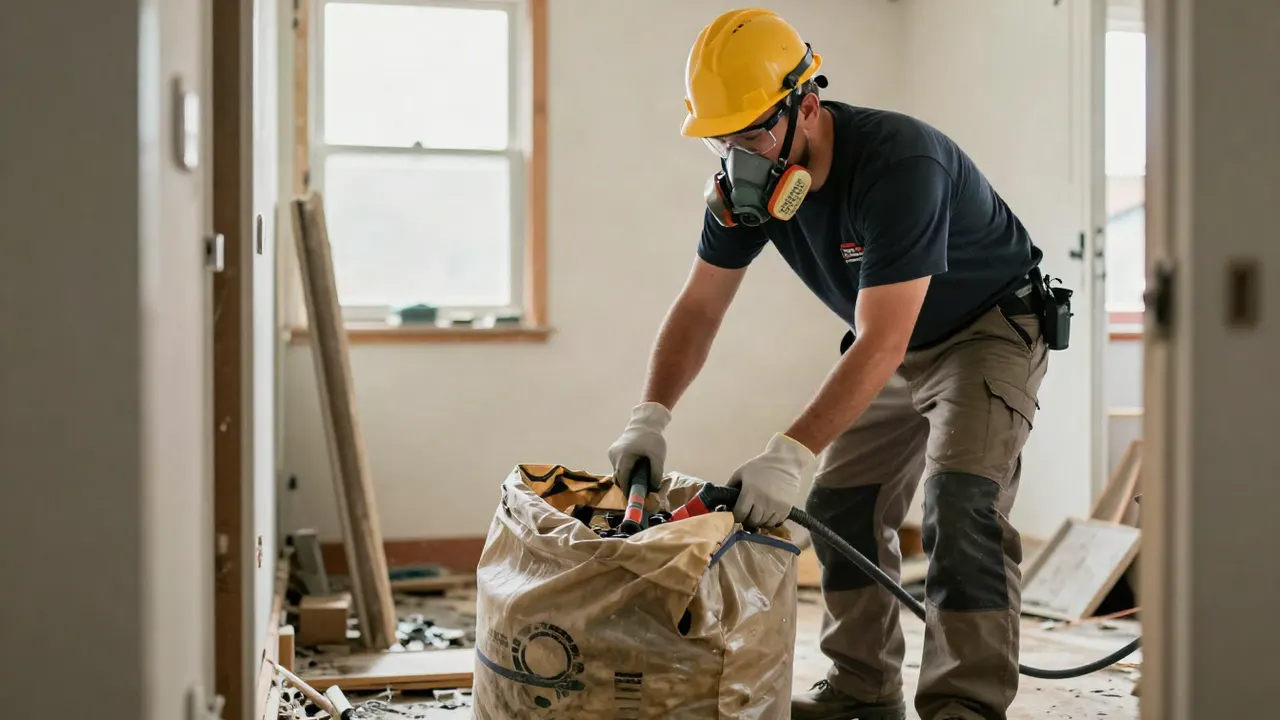 Flood CleanupStorm-driven flooding brings silt, debris, and contaminated water. We extract, sanitize, and dispose of unsalvageable carpet and pad, then dry the structure to prevent mold growth.Explore →
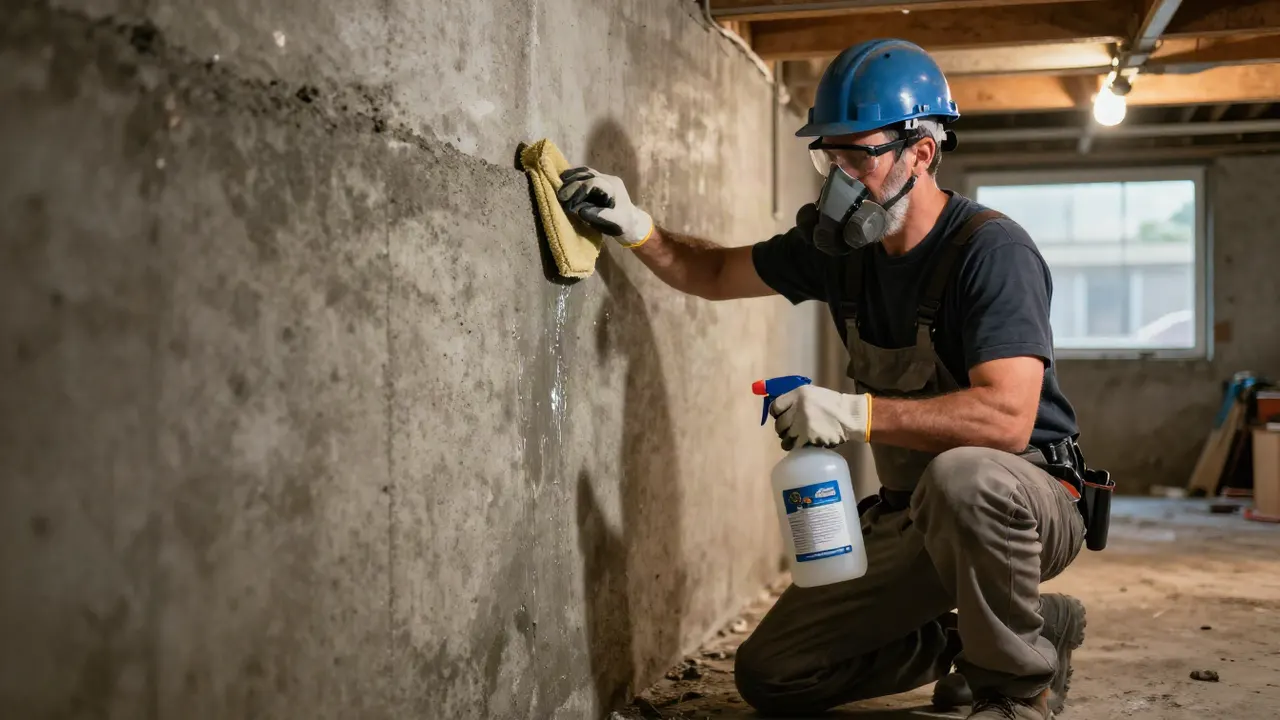 Basement Water RemovalFalls Church basements flood from sump pump failure, slab leaks, and foundation seepage. We pump standing water, extract carpet and pad, and dry the concrete before mold takes hold.Explore →
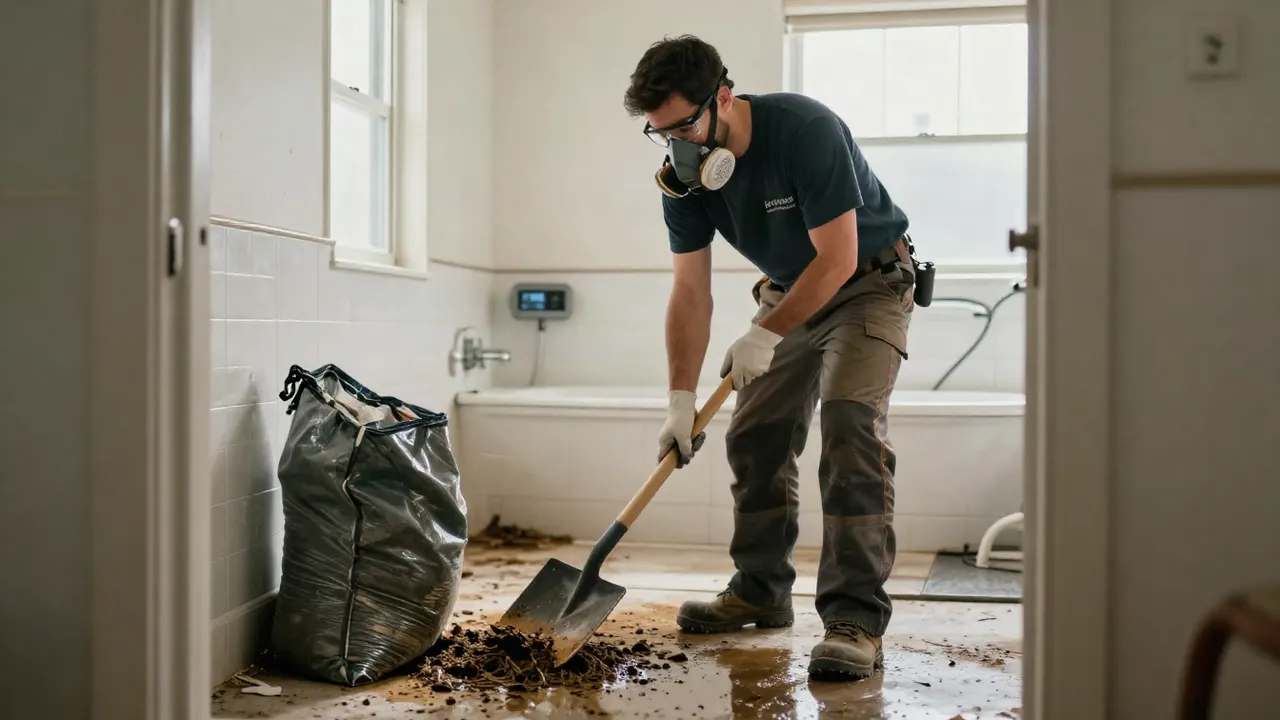 Sewage Backup CleanupCategory 3 water requires full removal of affected carpet, pad, and often drywall. We handle disposal, antimicrobial treatment, and rebuild so the space is safe to use again.Explore →
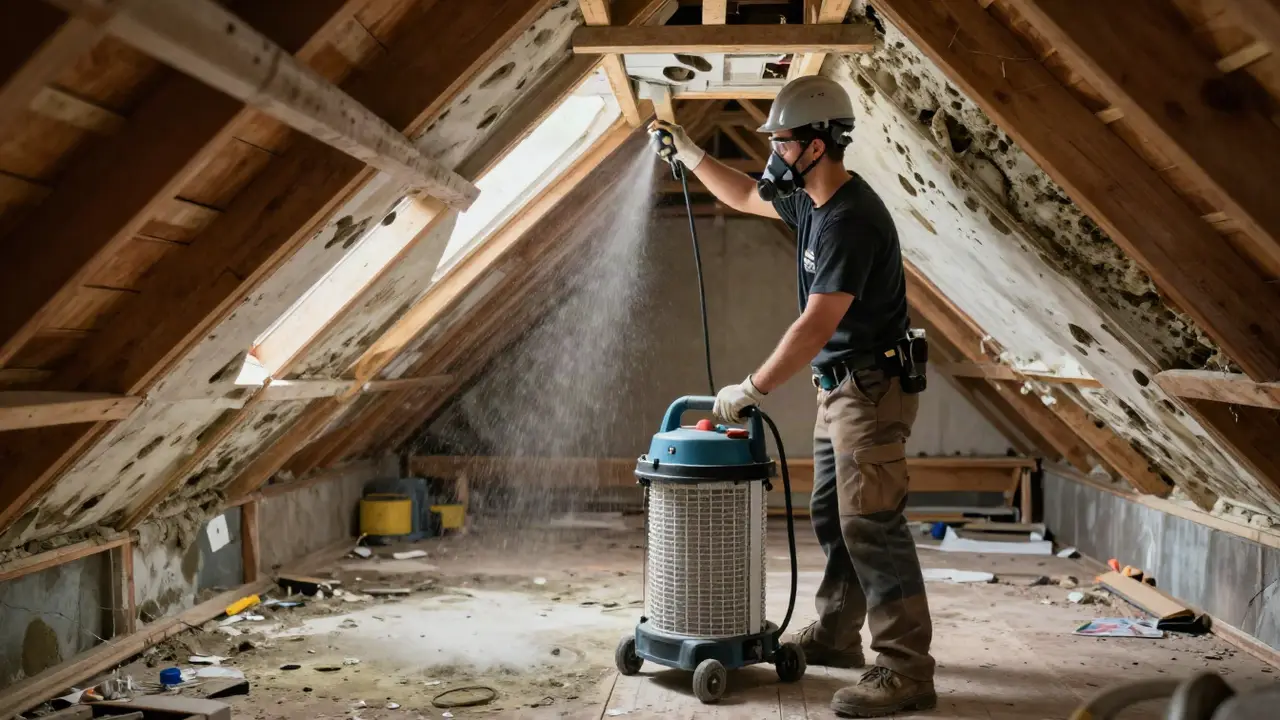 Mold RemediationWhen carpet has been wet too long, mold follows. We contain the area, remove affected materials, treat with antimicrobial, and pass a clearance check before reconstruction.Explore →
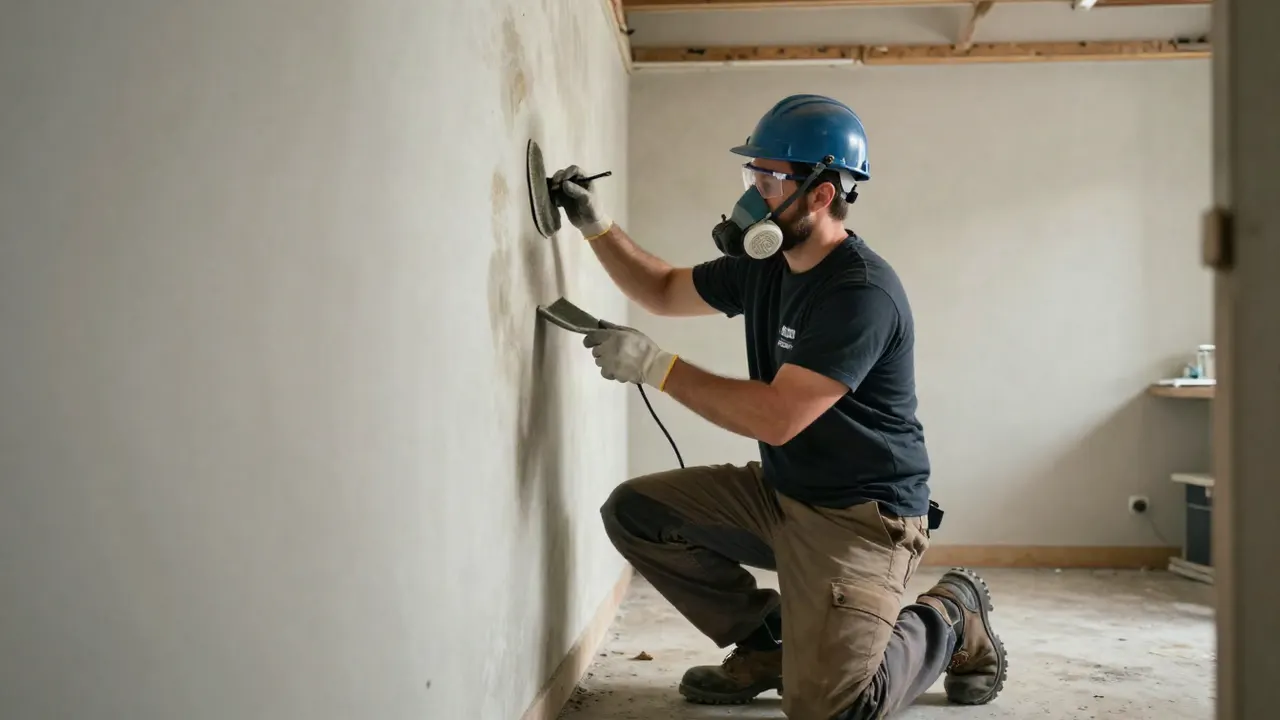 Mold Inspection and TestingAir and surface sampling to confirm whether mold is present after a water event. Useful when you smell something musty but cannot see growth.Explore →
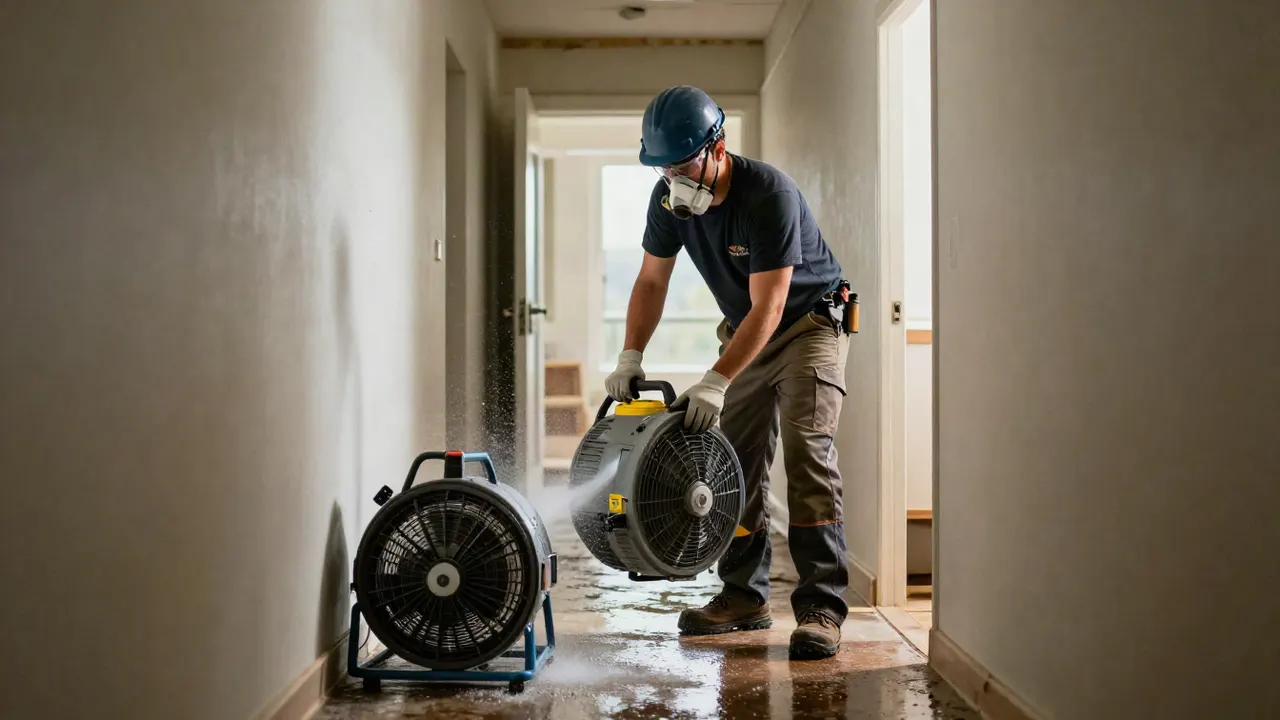 Dehumidification and DryingCommercial dehumidifiers and air movers sized to the room. This is the second half of every extraction job and the reason carpet actually dries instead of just feeling dry on top.Explore →
Water in your carpet gets worse every hour. Call 571-760-4393 and we will dispatch a crew with extraction and drying equipment. IICRC-certified, Virginia licensed, and billing insurance directly. We answer 24/7.
Call Now 5717604393 →Call us any time, day or night, at 571-760-4393. We answer live, ask a few questions to size the job, and dispatch the nearest crew. Most Falls Church addresses see a technician within 60 to 90 minutes. If you prefer email, send photos and a description to [email protected] and we will get back to you fast.