Fast pumping, extraction and drying for wet basements

Basement Water Removal Falls Church VA Done Right the First Time

When your basement is holding water, every hour counts. Basement Water Removal Falls Church VA from our crew means we pump out the standing water, extract what is soaked into carpet and padding, and dry the structure so mold never gets a foothold. We handle finished and unfinished basements across Falls Church, Virginia, seven days a week. Call 571-760-4393 and we roll a truck.

↗
Fast online booking

Request service today

Tell us what is happening. Our local team will confirm your visit shortly.

Call Now 5717604393 → No spam. No obligation. Just practical help.
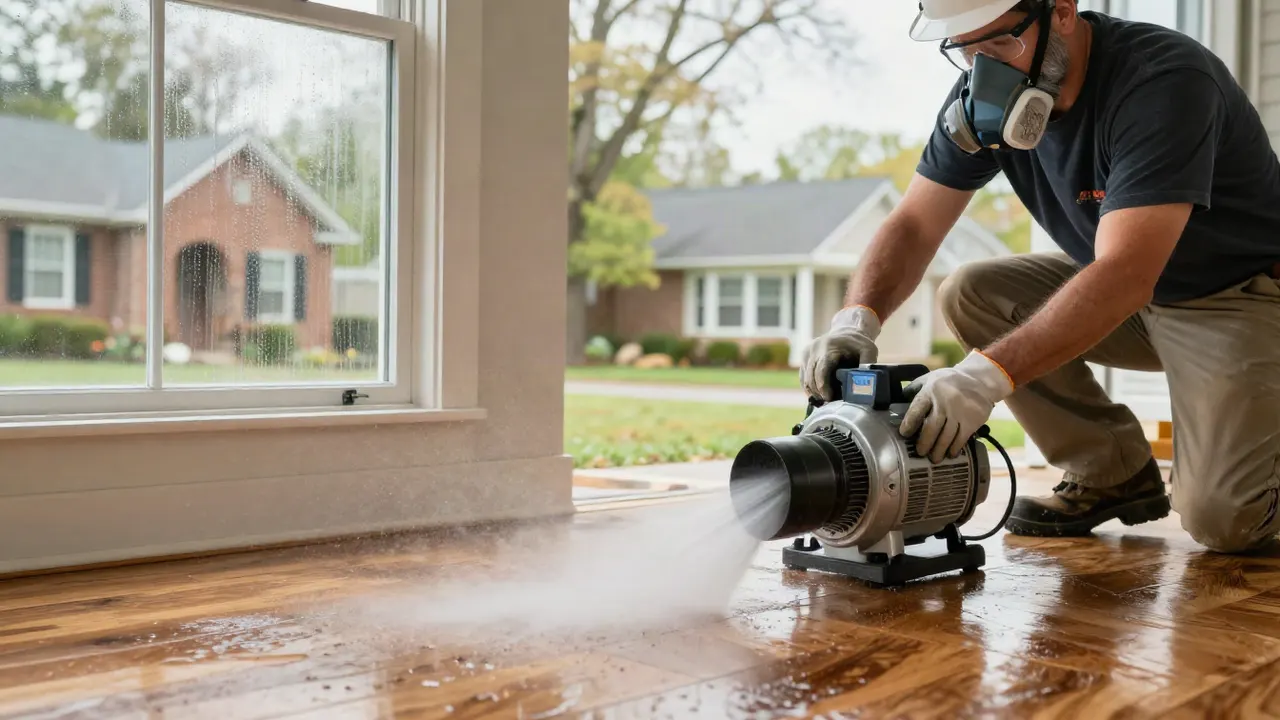
Water Damage in Falls Church: Close-up of a powerful axial air mover blowing air across a wet hardwood floor, with
Careful work. Honest options.
About this service

Basement Water Removal Falls Church VA: What It Really Involves

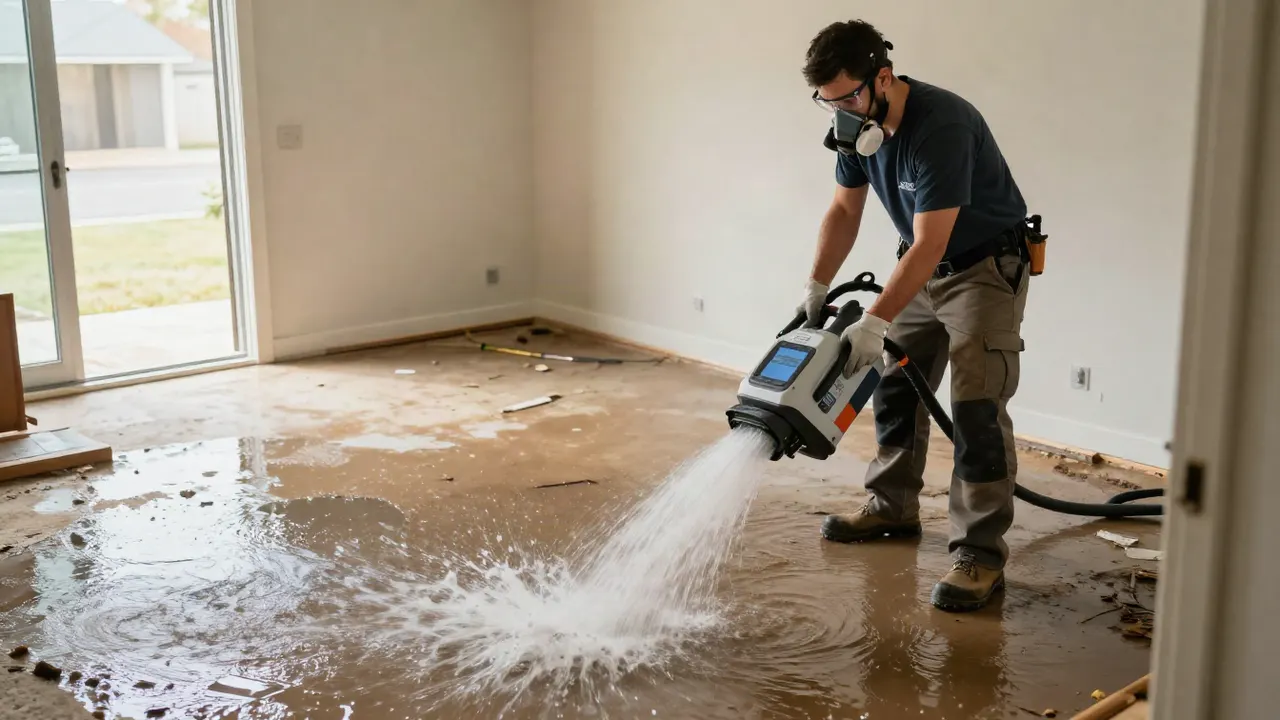
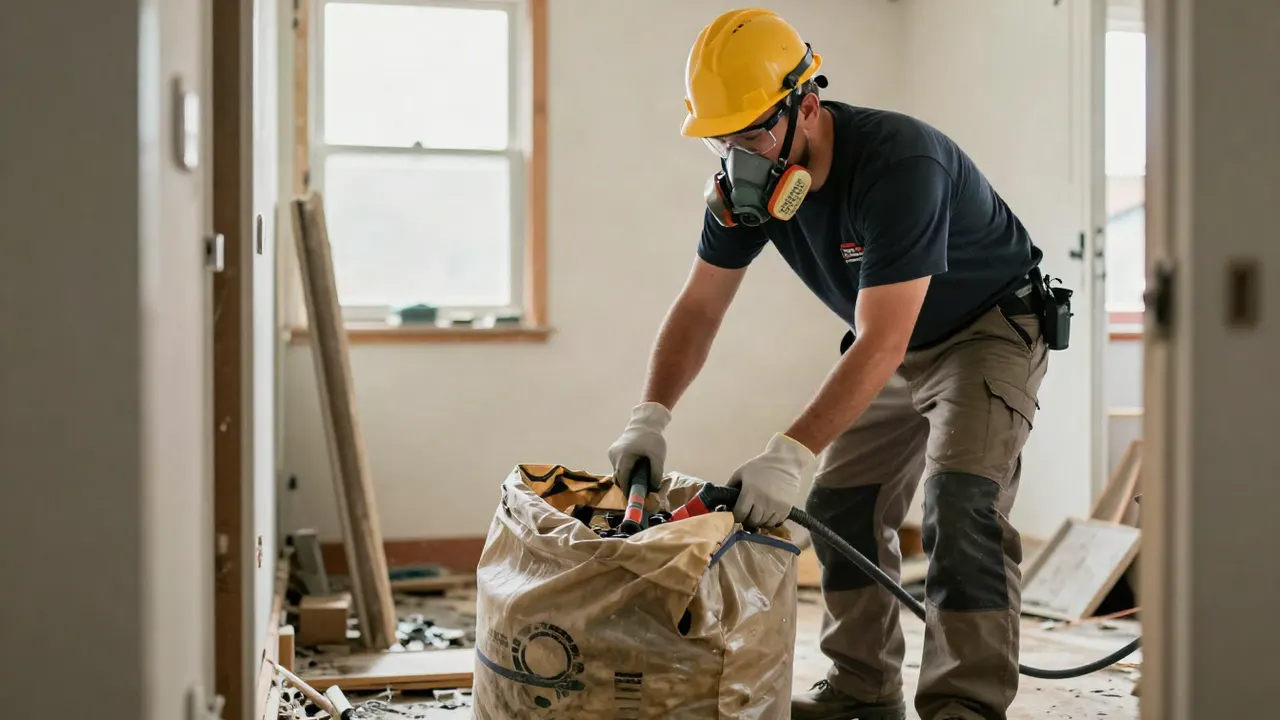
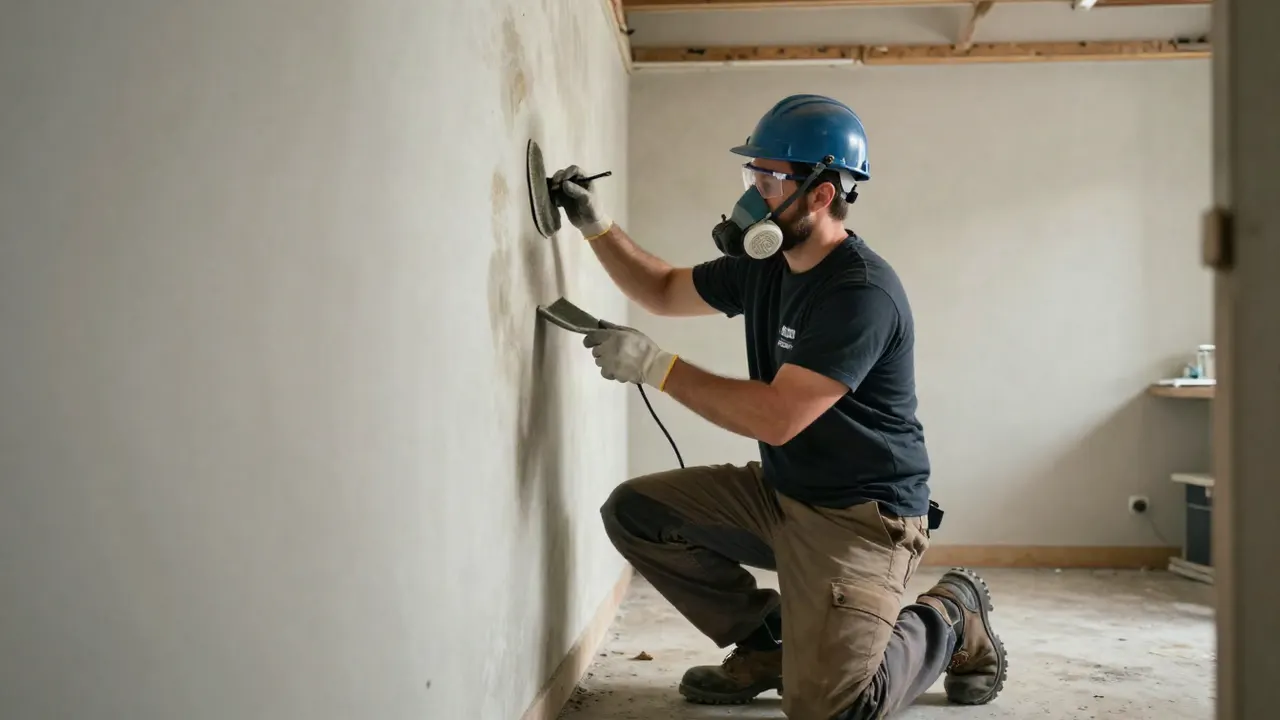
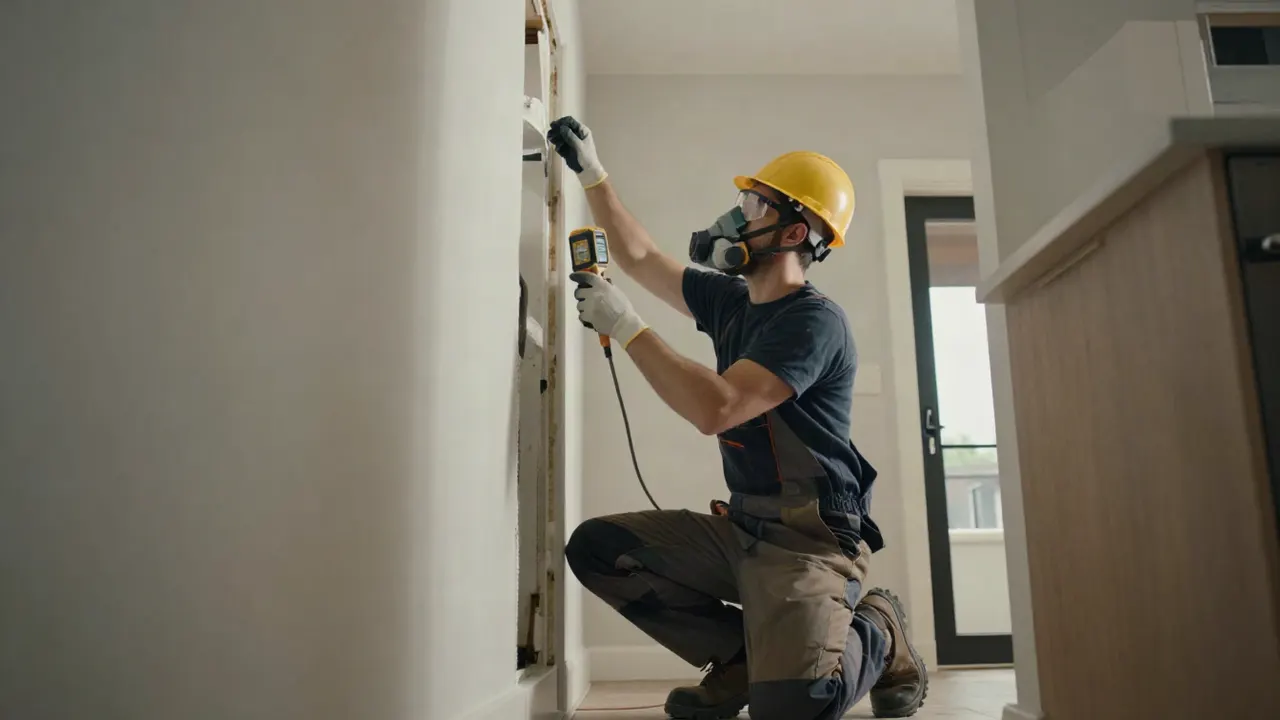
Basement Water Removal Falls Church VA is the process of pumping, extracting and drying water out of a below-grade space so the structure, contents and air quality return to normal. It is not just a shop vac and a fan. We map moisture with a moisture meter and thermal imaging camera, pull standing water with a water extraction unit, then dry the slab, framing and drywall with air movers and a commercial dehumidifier until readings match a dry standard.

Most calls we run in Falls Church come from the same handful of causes: a sump pump failure during a heavy storm, a burst pipe behind a finished wall, a sewage backup after roots clog the lateral line, or a slab leak that has been quietly soaking the carpet for weeks. If you are searching for wet basement water removal near me because you stepped into an inch of water this morning, we can be on site the same day.

  • ✓ Stops Mold Before It Starts
  • ✓ Protects Floors and Framing
  • ✓ Cuts the Musty Odor
  • ✓ Documents Everything for Insurance
What's included

What Basement Water Removal Includes

Every job starts with the same core scope: find the source, remove the water, dry the structure, and document it. What gets added on top depends on how long the water sat and what it touched.

✓

Source Identification

We do not start pumping until we know where the water is coming from. That means checking the sump pit, water heater, laundry connections, foundation joints and any visible pipe runs with a moisture meter and borescope camera.

✓

Standing Water Pump-Out

Submersible pumps handle the bulk of the standing water. For a typical Falls Church basement with an inch or two on the floor, that is a two to three hour job before we even switch to extraction equipment.

✓

Carpet and Pad Extraction

Truck-mounted extraction units pull water out of carpet fibers and padding far more thoroughly than a shop vac. We use weighted heads to press the water out and check moisture readings afterward to confirm the pad is dry.

✓

Structural Drying Setup

Air movers and a commercial dehumidifier go in once the standing water is gone. We position them based on the moisture map, not a guess, and adjust placement every 24 hours as readings drop.

✓

Antimicrobial Treatment

Any surface the water touched gets treated with an antimicrobial solution. This is standard on every job, and it is what keeps mold from colonizing the framing and drywall while the space is still drying.

✓

Daily Monitoring and Documentation

We take hygrometer and moisture meter readings every day and log them. You get the full drying record at the end, which is exactly what your insurance adjuster needs to close the claim.

How it works

Our Basement Water Removal Process

01

Emergency Call

You call 571-760-4393 and describe what you are seeing. We ask about the water source, whether it smells like sewage, and whether the basement is finished. Within minutes we have a crew assigned and a realistic arrival window. Nights, weekends and holidays included.

02

Inspection and Mapping

On arrival we find the source first. A moisture meter and thermal imaging camera show us how far the water has traveled behind walls and under flooring. We check the sump pit, water heater, laundry connections and any visible pipe runs. This takes 20 to 40 minutes on a typical Falls Church basement.

03

Pump and Extract

Standing water comes out first with a submersible pump, then we switch to a truck-mounted water extraction unit for the saturated carpet, padding and low spots. A wet/dry vacuum and weighted extraction heads handle the edges and closets. A 500 square foot basement with an inch of water usually clears in two to four hours.

04

Dry and Monitor

We set air movers and a commercial dehumidifier, then take readings with a hygrometer every 24 hours. Drying a standard basement takes three to five days. We adjust equipment placement as readings drop and leave the setup running until the structure hits a dry standard.

05

Final Walkthrough

We pull the equipment, take final moisture readings, and walk you through what dried and what needs repair. If drywall or insulation has to come out, we tell you exactly what and why. You get the full drying log for your records and your insurance file.

Tools & methods

Tools and Methods We Use

Purpose-built equipment, used by trained technicians — so the job is done accurately the first time.

Thermal Imaging Camera

Shows temperature differences behind walls and under floors, which reveals where water has traveled without us having to cut anything open. We use it on every job before extraction starts.

Moisture Meter and Hygrometer

Gives us hard numbers on how wet the materials and the air are. We take readings daily and use them to decide when the job is actually done, not when it looks done.

Truck-Mounted Water Extraction Unit

Pulls water out of carpet and padding far faster and more thoroughly than portable equipment. This is the workhorse on any finished basement job.

Commercial Dehumidifier

Pulls moisture out of the air so wet materials can actually dry. A household dehumidifier cannot keep up with a flooded basement; ours can.

Air Movers

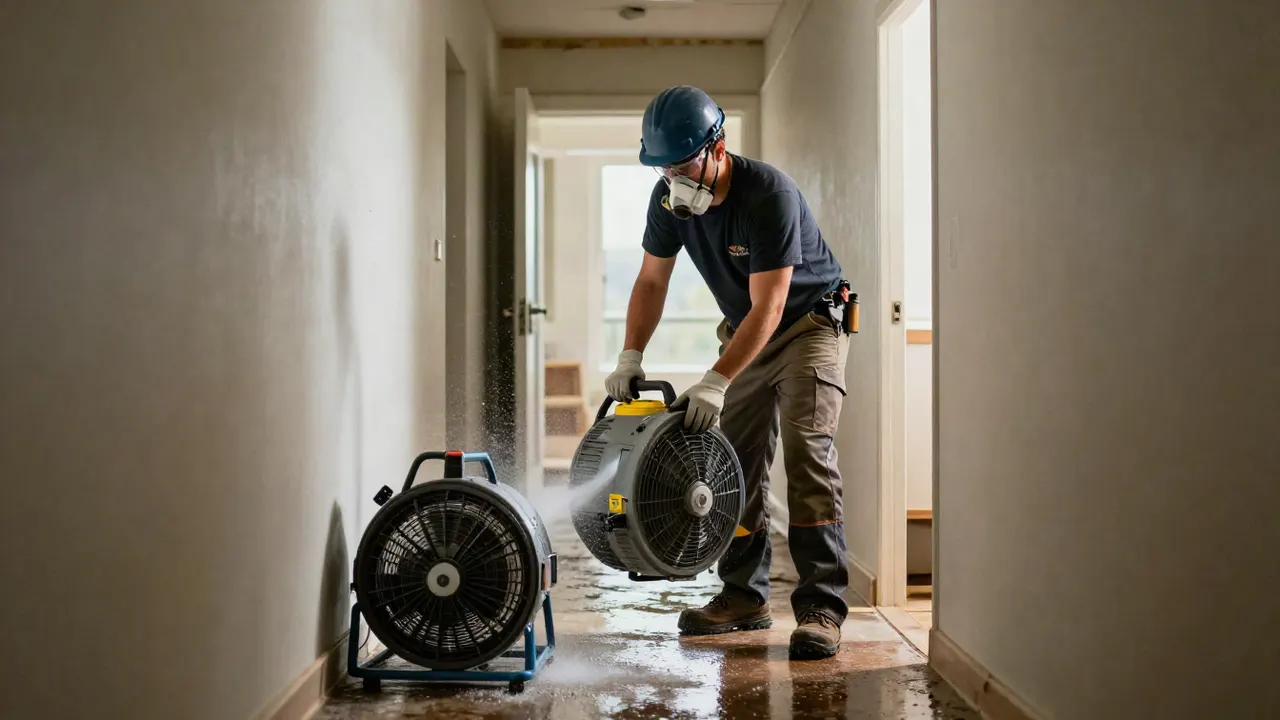
High-velocity fans that keep air moving across wet surfaces. We position them based on the moisture map and adjust placement every 24 hours as drying progresses.

Air Scrubber

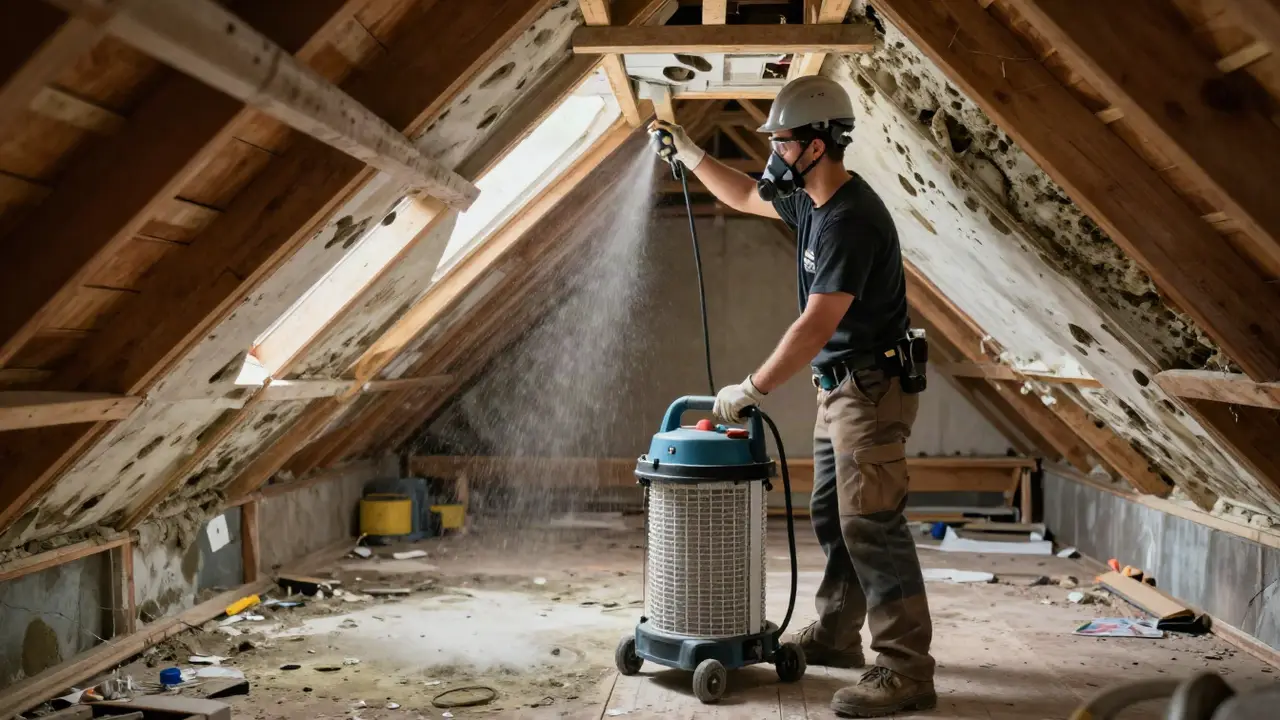
Filters airborne particles, including mold spores, out of the air during and after a water loss. Standard equipment on sewage backups and any job with visible mold.

Borescope Camera

Lets us look inside wall cavities and under floors without tearing everything apart. It is how we confirm whether a hidden cavity is wet before we decide to open it.

Real results

Before and after.

Finished Basement Saved After Sump Failure

Before

A finished basement in West Falls Church took on two inches of water overnight when the sump pump quit during a storm. Carpet, padding and the bottom two feet of drywall were saturated, and the musty smell had already started.

After

We pumped and extracted the same day, cut out the ruined drywall, and ran air movers and a dehumidifier for five days. Final moisture readings matched the dry standard. The carpet was saved, and only the cut drywall needed replacement.

Sewage Backup Cleaned and Disinfected

Before

A clogged lateral line backed sewage into a Downtown Falls Church basement through the floor drain. The carpet and padding were contaminated, and the odor had spread into the first floor of the house.

After

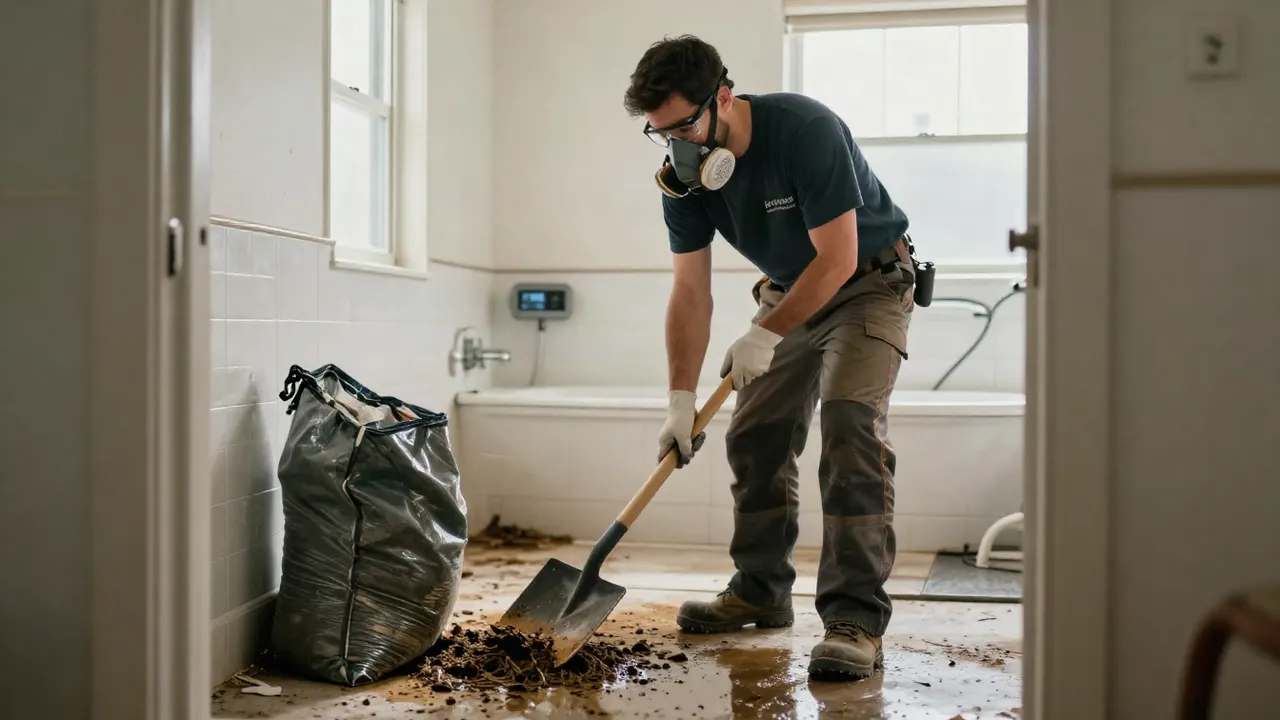
We contained the area, removed and disposed of the contaminated carpet and padding, extracted the remaining water, and disinfected every surface. Air scrubbers ran for three days. The basement passed a final inspection with no detectable odor.

Slab Leak Dried Without Tearing Out Floor

Before

A pinhole slab leak under a Lake Barcroft basement carpet had been soaking the pad for weeks. The carpet felt damp, the baseboards were swelling, and the musty odor was noticeable from the stairs.

After

Moisture mapping located the wet zone, and we extracted the carpet and pad, dried the slab and framing over six days, and treated the area with a deodorizer. The carpet was saved and the baseboards dried back to normal.

Problems we solve

Basement Water Problems We Solve in Falls Church

Most basement water calls trace back to one of a handful of causes. Here is what we see most often and what it takes to fix each one properly.

Ask a pro →
01

Sump pump failure during a storm

We pump the standing water out, extract from carpet and padding, dry the structure, and check the pit and discharge line. We can also advise on a replacement pump with a battery backup so the next storm does not repeat the problem.

↗
02

Burst pipe behind a finished wall

A thermal imaging camera finds the wet zone behind the wall. We open the cavity, extract the water, dry the framing and replace the insulation and drywall once readings confirm the structure is dry.

↗
03

Sewage backup from a clogged lateral line

We contain the area, remove the contaminated materials, extract the remaining water, and disinfect every surface with an antimicrobial solution. Air scrubbers run throughout to keep the rest of the house clean.

↗
04

Slab leak soaking the carpet slowly

Moisture mapping sensors pinpoint the wet zone. We extract the carpet and pad, dry the slab and any framing, and treat the area with a deodorizer to kill the smell at the source.

↗
Transparent pricing

What Basement Water Removal Costs

$500 - $2,500 depending on scope

Basement water removal in Falls Church runs $500 to $2,500 for most homes in 2026, with the average job landing around $1,200. The low end covers a small unfinished basement with an inch of clean water and a straightforward extraction. The high end covers finished basements with soaked carpet, drywall and insulation, or sewage backups that need containment and disposal. We give you a written scope and price before we start, and we bill your insurance carrier directly on covered losses.

The price covers extraction, drying equipment, daily monitoring, antimicrobial treatment and full documentation. Skipping any of those steps is how a $1,200 job turns into a $6,000 mold remediation six weeks later.

01Square footage affected

A 300 square foot utility basement takes far less equipment and time than a 1,200 square foot finished space. Square footage drives both the extraction time and the number of air movers and dehumidifiers we need to set.

03Finished vs. unfinished

Finished basements mean carpet, padding, drywall and sometimes hardwood, all of which need specific drying methods. Unfinished basements dry faster and cheaper because there are fewer materials to manage.

04How long the water sat

Water that has been sitting for more than 48 hours usually means mold has started. That adds remediation work on top of the extraction and drying, and it is the single biggest reason a job goes from the low end to the high end.
Proof you can check

Licensed, Certified and Local

✓
IICRC WRT (Water Restoration Technician)Institute of Inspection, Cleaning and Restoration Certification
✓
IICRC ASD (Applied Structural Drying)Institute of Inspection, Cleaning and Restoration Certification
✓
Virginia DPOR Contractor LicenseVirginia Department of Professional and Occupational Regulation
✓
EPA Lead-Safe CertifiedU.S. Environmental Protection Agency
Customer reviews

What Falls Church Customers Say

★★★★★
“Our sump pump died during a storm and we woke up to three inches of water in a finished basement. They were here in under three hours, pumped it out, and set up drying equipment the same visit. Five days later the moisture readings were back to normal and nothing had to be torn out except one section of baseboard.”
KM

Karen M.Homeowner, Downtown Falls Church

✓ Verified
★★★★★
“We had a sewage backup in the basement and did not know who to call. They explained the difference between clean water and sewage, contained the area, removed the ruined carpet and padding, and disinfected everything. The basement smelled normal again by the end of the week.”
PS

Priya S.Homeowner, Lake Barcroft

✓ Verified
Good questions

Frequently Asked Questions About Basement Water Removal

5717604393 →

Most residential jobs run $500 to $2,500 in 2026, with the average around $1,200. A small unfinished basement with an inch of clean water sits at the low end. Finished basements with soaked carpet, drywall and insulation push toward the top. Sewage backups and jobs needing mold remediation cost more because of the extra containment and disposal work.

Pumping and extracting the standing water usually takes two to four hours for a typical basement. The drying phase is the longer part: three to five days with air movers and a dehumidifier running around the clock. Dense materials like hardwood flooring or a concrete slab can take six or seven days to reach a dry standard.

Yes. Finished basements are actually where we spend most of our time. We extract water from carpet and padding, use drying mats on hardwood, and check behind baseboards and inside wall cavities with a thermal imaging camera. If drywall or insulation is saturated past saving, we cut it out, dry the framing, and you get a clear list of what needs replacing.

It depends on the source. Sudden events like a burst pipe, appliance leak or water heater failure are usually covered. Gradual seepage, long-term slab leaks and most surface flooding are typically excluded unless you carry separate flood coverage. We document everything in Xactimate and work directly with your adjuster so the covered portion gets paid without you chasing paperwork.

Ready when you are

Need Basement Water Removal Falls Church VA Today?

We are licensed, insured and have been drying out Falls Church basements since 2014. One call gets a crew headed your way with pumps, extractors and drying equipment on board. Call now and we will tell you exactly when we will be there.

Get Emergency Help 5717604393 →
Request an appointment

Contact Us for Water Damage Help

Call us any time, day or night, at 571-760-4393. We answer live, ask a few questions to size the job, and dispatch the nearest crew. Most Falls Church addresses see a technician within 60 to 90 minutes. If you prefer email, send photos and a description to [email protected] and we will get back to you fast.

Call anytime5717604393Email the office[email protected]
Office hoursOpen 24 hours · 7 days a week
Tap to call5717604393