Ceiling sagging after a roof leak
We trace the leak, dry the ceiling cavity, cut out the sagging section, and rebuild the ceiling with new board, tape, and texture matched to the rest of the room.
Drywall Water Damage Repair in Falls Church means finding the wet cavity, drying it to standard, and rebuilding the wall so it looks like nothing happened. We handle burst pipes, roof leaks, and appliance failures across Falls Church, Virginia, usually the same day you call. If you are searching for drywall repair in Falls Church, our crew is already nearby.
Tell us what is happening. Our local team will confirm your visit shortly.
Call Now 5717604393 → No spam. No obligation. Just practical help.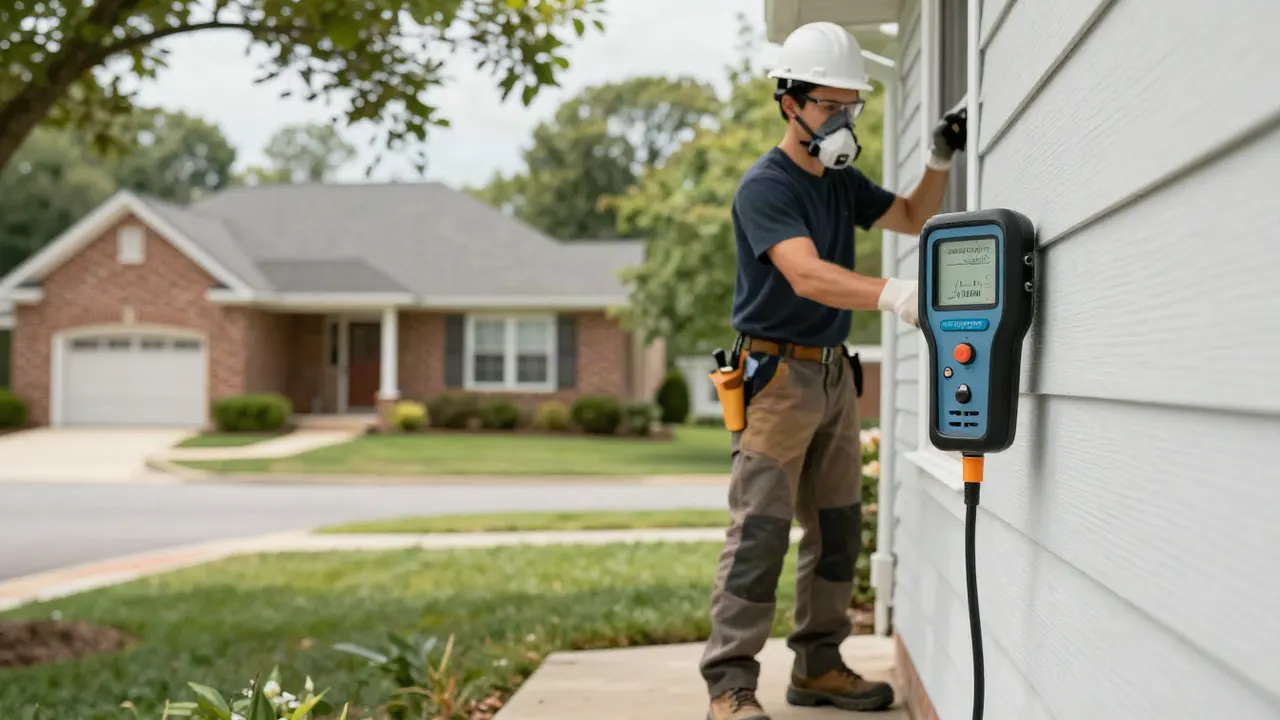
Drywall Water Damage Repair in Falls Church is the process of removing saturated drywall, drying the framing and insulation behind it, and reinstalling new board, tape, texture, and paint. Water does not just stain the paper face. It wicks upward through the gypsum core, softens the joint compound, and starts breaking down the paper backing within hours. We use a moisture meter and a thermal imaging camera to map exactly how far the wet zone reaches before we cut anything.
Falls Church homes deal with this constantly. The city's older housing stock, cast iron drains, and 1950s-era plumbing mean burst pipe calls and slab leak surprises are routine, especially after a hard freeze. When you need water damaged drywall repair near me in Falls Church, we arrive with a water extraction unit, air movers, and a Dri-Eaz dehumidifier to stop the spread. We also handle drywall water damage repair after pipe leak Falls Church VA jobs where the wall cavity is soaked but the surface looks dry.
Every drywall repair job we run in Falls Church includes the full scope from moisture detection through final paint. We do not hand off the drying to one crew and the rebuild to another. One team owns the whole job, which means no gaps where moisture gets missed or the finish does not match.
Thermal imaging camera and moisture meter readings map the wet zone before any cutting starts. You get a clear picture of how far the water traveled and why we are cutting where we are.
Air movers, a commercial dehumidifier, and daily hygrometer checks pull the wall cavity down to safe moisture levels. This step usually runs 3 to 5 days and is what makes the repair last.
We cut out soft, stained, or moldy drywall back to solid material, usually 12 to 24 inches past the visible damage. Wet insulation comes out at the same time so the cavity can dry.
Framing and surrounding drywall get treated with antimicrobial solution before new board goes up. This is the step that stops mold from growing behind the finished wall.
Fresh drywall goes up, gets taped and mudded, and is textured to match the surrounding wall or ceiling. We match orange peel, knockdown, or smooth finishes.
Primer and paint go on once the mud cures, and we walk the room with you at the end. Final moisture readings and photos get handed over for your records and your insurance file.
We arrive, shut off the water source if it is still running, and take baseline moisture readings with a moisture meter and infrared thermometer. A borescope camera goes into the wall cavity so we can see the back of the drywall without tearing it open. This visit takes 30 to 45 minutes.
Standing water comes out with a water extraction unit and wet/dry vacuum. We set air movers and a Dri-Eaz or Phoenix Restoration Equipment dehumidifier to pull moisture out of the framing. Drying usually runs 3 to 5 days, and we check readings daily with a hygrometer.
Once the cavity is dry, we cut out the damaged drywall back to solid material, usually 12 to 24 inches past the visible stain. Insulation that stayed wet gets pulled and replaced. We lay plastic sheeting and use absorbent pads to keep dust and debris off your floors.
New drywall goes up, gets taped, mudded, and textured to match. We use DeWalt and Milwaukee tools for clean cuts, then sealant on the edges. Most walls are ready for paint in 2 to 3 days, and ceilings take one day longer because of overhead work.
We take final moisture readings, confirm the wall is dry, and walk the room with you. Paint touch-up, deodorizer, and a written summary of what was replaced all get handled before we pack up. You get the drying log and photos for your records.
Purpose-built equipment, used by trained technicians — so the job is done accurately the first time.
Take baseline and daily readings on drywall, framing, and air so we know exactly when the cavity is dry enough to close up.
Reveals temperature differences behind the wall that point to hidden moisture without tearing the drywall open.
Lets us see the back of the drywall and inside the wall cavity through a small hole before deciding on replacement.
Pull moisture out of the air so the wall cavity dries from the inside out. These run continuously during the drying phase.
Keep air circulating across wet surfaces and filter out dust and mold spores during demo and drying.
Cut clean lines in drywall, drive screws, and shape the patch so the finished repair matches the surrounding wall.
Build the repair scope in the format insurance adjusters use, which speeds up claim approval and reduces back-and-forth.
A second-floor supply line split in January and ran for hours before the homeowner woke up. The kitchen ceiling was sagging, stained across a 6-foot span, and reading 28% moisture content with a meter. Insulation above was soaked.
We extracted standing water, dried the cavity for 4 days, cut out the damaged section, and installed new drywall with matching texture and paint. Final readings came in at 11%. The ceiling looks original.
A supply line failed overnight and soaked the wall behind the washer. The drywall was soft to the touch across a 4-foot section, and the base plate was reading wet. Musty odor had started.
We pulled the appliance, removed the wet drywall and insulation, dried the framing for 3 days, treated with antimicrobial solution, and rebuilt the wall with moisture-resistant board. New braided supply lines went in before the wall closed.
A spring storm knocked out power and the sump pump quit. The basement flooded 2 inches deep and the lower 18 inches of drywall on three walls soaked through. Carpet padding was saturated.
We extracted the water, removed wet drywall and insulation, dried the concrete and framing for 5 days, and rebuilt the lower walls with moisture-resistant drywall. Carpet padding was replaced and the room was back in use in a week.
Water-damaged drywall shows up in a handful of ways, and each one has a different fix. Here are the problems we see most often when homeowners call us.
Ask a pro →We trace the leak, dry the ceiling cavity, cut out the sagging section, and rebuild the ceiling with new board, tape, and texture matched to the rest of the room.
We pop the bubble, take moisture readings, dry the cavity, and repair the drywall underneath. Then we repaint so the wall looks untouched.
We use a thermal imaging camera and borescope camera to find the moisture source, then dry the cavity and replace the affected drywall.
We remove the wet section, dry the framing and concrete, treat with antimicrobial solution, and rebuild the lower wall with moisture-resistant drywall.
$450 - $1,800 depending on scope
Most drywall water damage repair jobs in Falls Church run $450 to $1,800 in 2026, with the final number driven by how much drywall comes out and how long drying takes. Small ceiling patches with 2 days of drying sit near the low end. Flooded basement walls with insulation replacement and full repaint land higher. We quote the full scope before we start, including drying, demo, and finish, so you are not guessing. If you are comparing drywall repair Falls Church VA pricing, ask for the moisture readings and drying log. We hand both over.
The price covers detection, drying, demo, rebuild, and paint, all from one crew. You are not paying a drywall guy and a drying company separately, and you are not paying twice when the first repair fails because the cavity was still wet.
The bigger the wet zone, the more drywall comes out and the more new board goes up. A 4-foot patch and a 20-foot wall are very different jobs.
Drying runs 3 to 5 days on most jobs. Humid summer months or thick wall assemblies can push it to 6 days, which adds equipment rental and monitoring time.
Wet insulation has to come out and be replaced. Exterior walls and basement walls usually need it, which adds material and labor.
Orange peel, knockdown, and smooth finishes take different amounts of labor to match. Ceilings cost more than walls because of overhead work.
“A pipe burst above our kitchen in January and soaked the ceiling. The crew was out the same night, cut the wet section out, and set up drying equipment. Four days later they had new drywall up and textured. You cannot tell where the patch is. They also handled the Xactimate paperwork for our insurance, which saved us a fight.”
Marcus T.Homeowner, Broadmont
✓ Verified“Our washing machine leaked into the wall behind it and we did not notice for a week. The drywall was soft and starting to smell. They pulled the board, treated the framing, and rebuilt the wall. The moisture readings they showed me at the end were a nice touch. Fair price and no surprises on the invoice.”
Priya S.Homeowner, West Falls Church
✓ Verified“We manage several rentals and have used this crew on three drywall water damage jobs. They show up when they say, they document everything, and the finished walls hold up. The last one was a sewage backup in a basement unit, and they handled the contaminated drywall removal and rebuild without us having to chase them.”
Daniel R.Property Manager, Seven Corners
✓ VerifiedMost residential jobs run $450 to $1,800 in 2026, depending on how much drywall comes out and how long drying takes. A small ceiling patch with two days of drying sits near the low end. A flooded basement wall with insulation replacement and full repaint lands higher. Emergency calls after hours add a dispatch fee, and insurance usually covers the bulk of the work.
Yes, if the damage is caught early and the cavity dries properly. Drywall that is soft, crumbly, or showing mold growth has to be cut out and replaced. Drywall that only got damp on the surface can sometimes be dried in place with air movers and a dehumidifier. We check with a moisture meter before deciding which route your wall needs.
Plan on 4 to 7 days total. Drying takes 3 to 5 days, demo and rebuild take 1 to 2 days, and paint needs another day to cure. Ceiling work runs slightly longer because of overhead access. If the leak was small and the cavity dried fast, we have finished jobs in 3 days.
Not always. If the drywall is still firm and the paper face is intact, drying in place works. If it is sagging, soft to the touch, or has visible mold, it comes out. We use a borescope camera to check the back of the board before we recommend replacement, so you are not paying for demo you do not need.
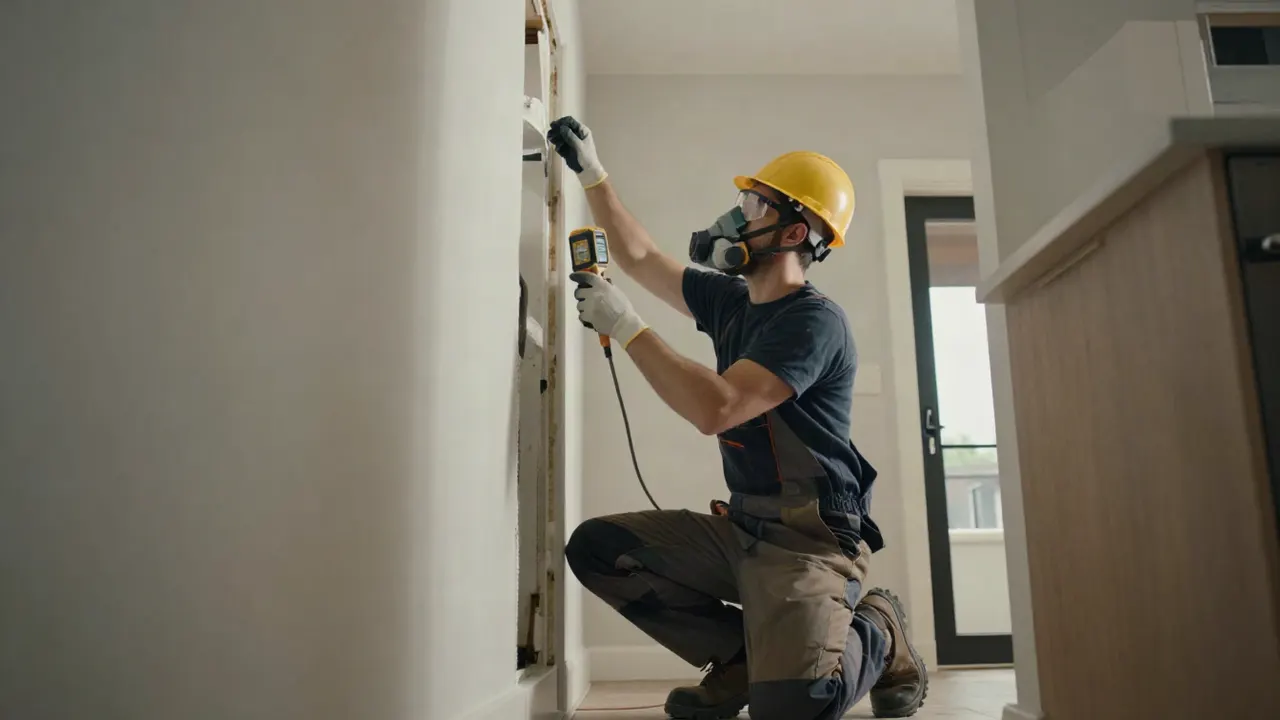 Water Damage RestorationFull-scope restoration for Falls Church homes, from extraction through final rebuild. When drywall damage is part of a bigger water event, this is the service that ties every step together.Explore →
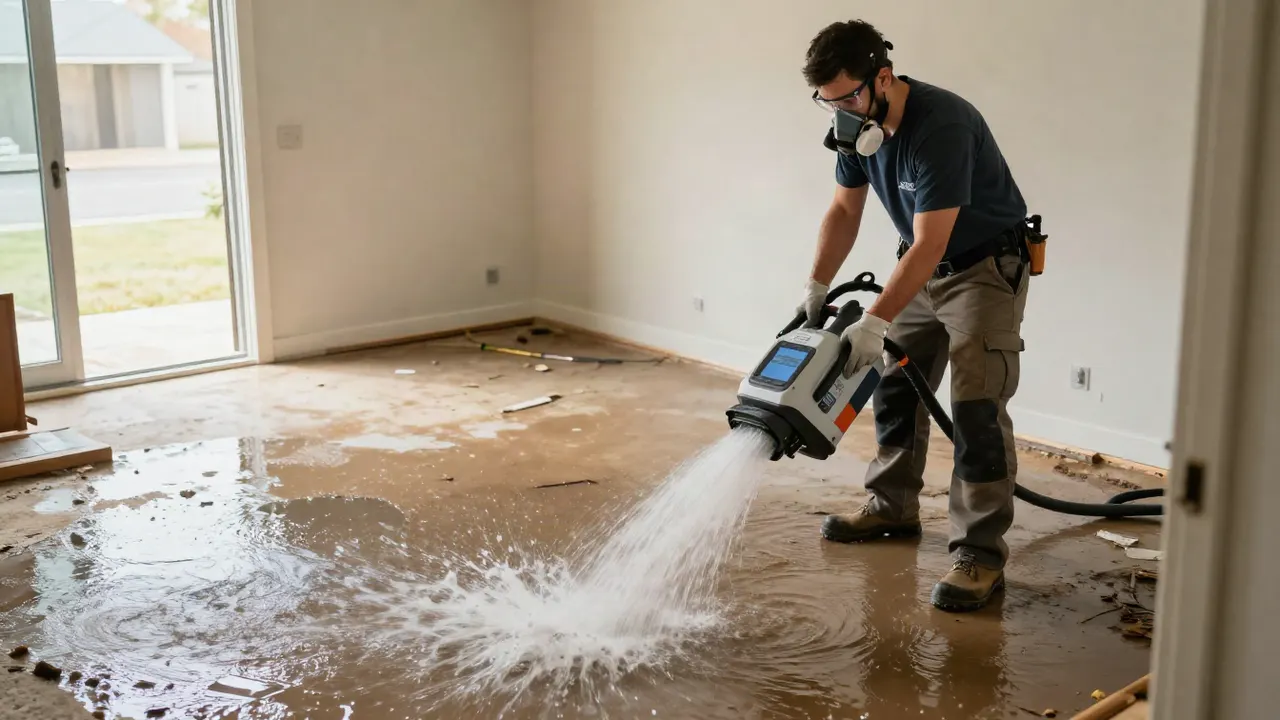 Emergency Water ExtractionStanding water comes out fast with our extraction units. We start here on most drywall calls because wet carpet and padding keep feeding moisture into the wall cavity until they are removed.Explore →
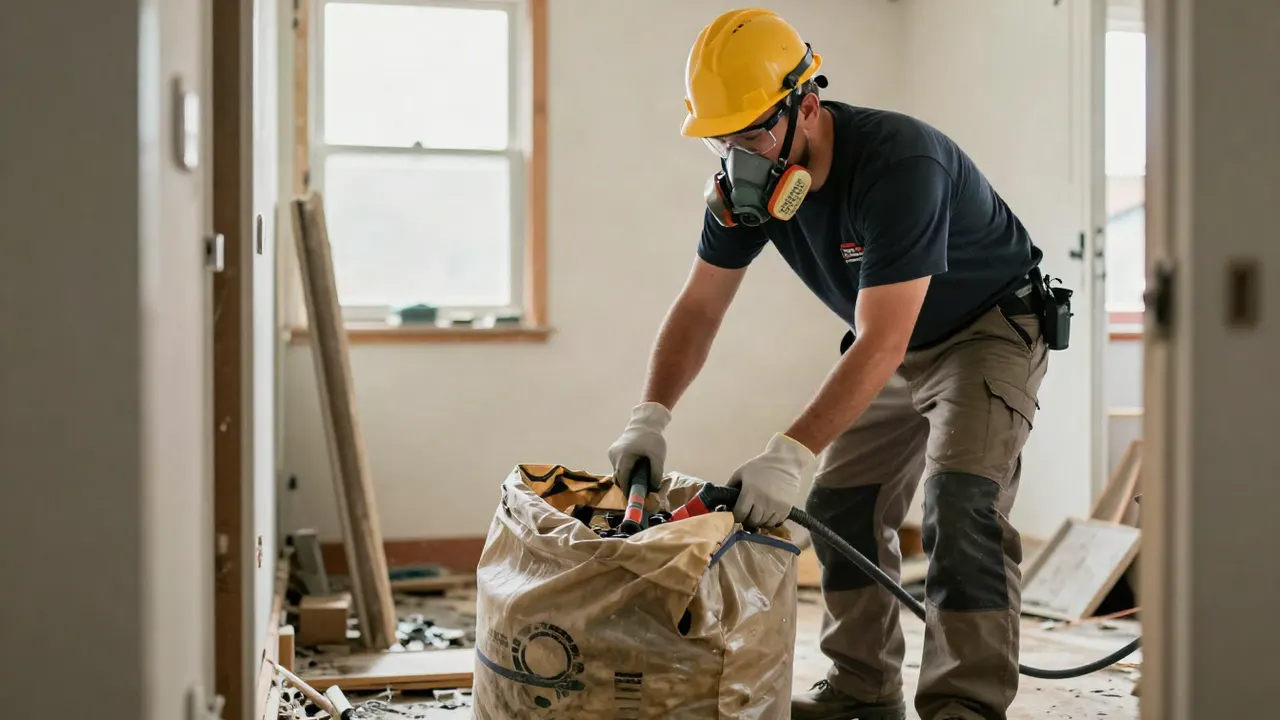 Flood CleanupFloodwater carries contaminants that regular drying does not address. We handle disinfection, debris removal, and the drywall replacement that follows in Falls Church flood-damaged homes.Explore →
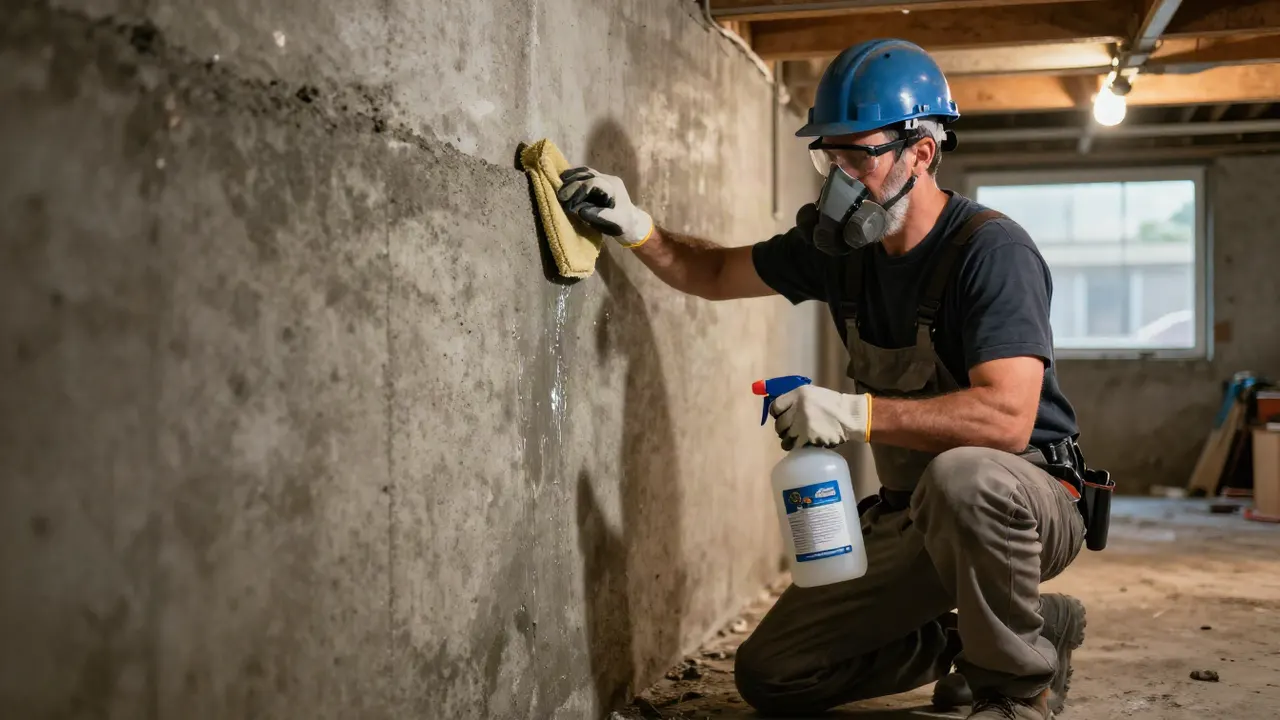 Basement Water RemovalBasement walls take on water from sump pump failure and crawl space moisture. We pump it out, dry the framing, and repair the lower drywall that soaked through.Explore →
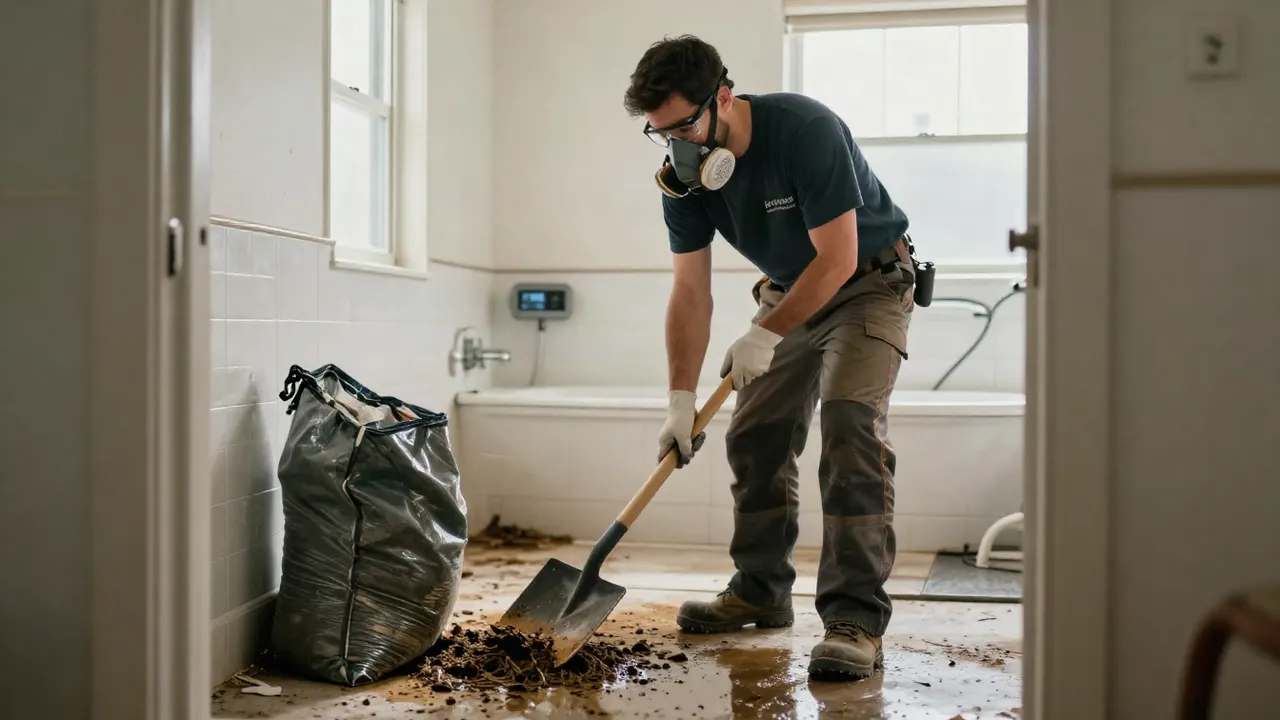 Sewage Backup CleanupSewage backup means contaminated drywall has to come out, not just dry. We remove affected board, disinfect the framing, and rebuild the wall to code.Explore →
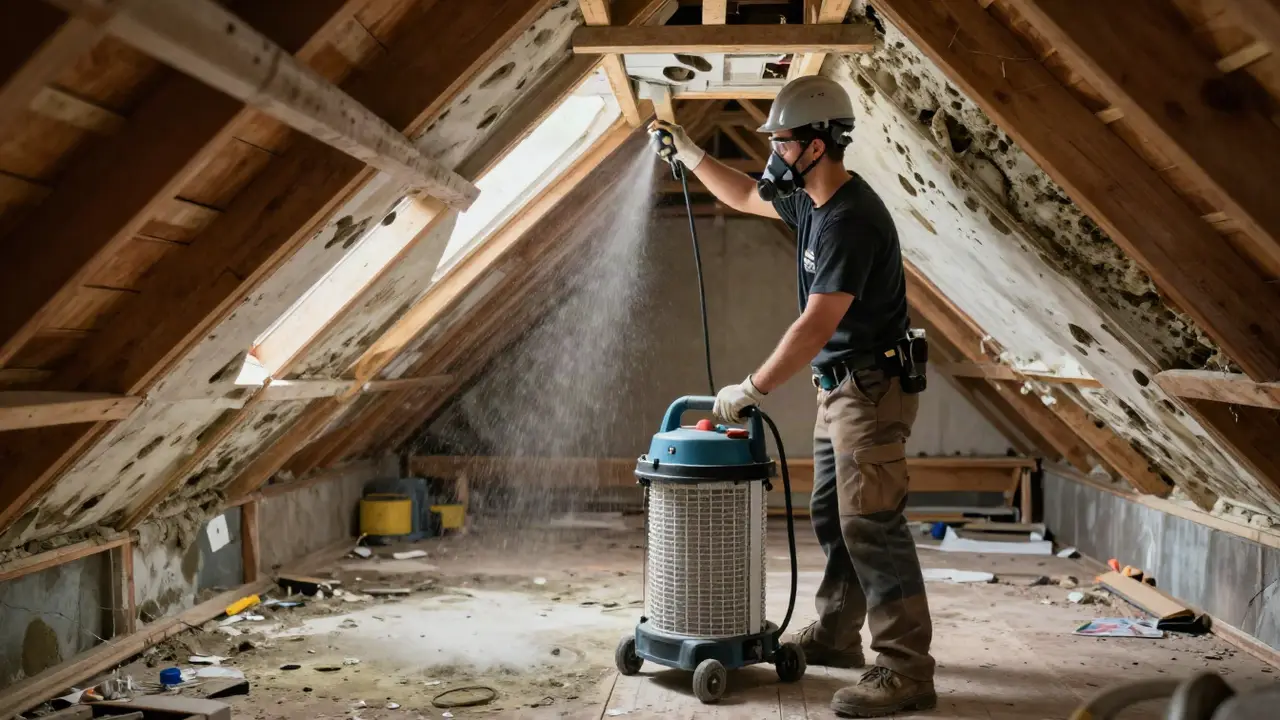 Mold RemediationWhen drywall has been wet long enough to grow mold, remediation comes before repair. We contain the area, remove affected material, and treat the cavity before new board goes up.Explore →
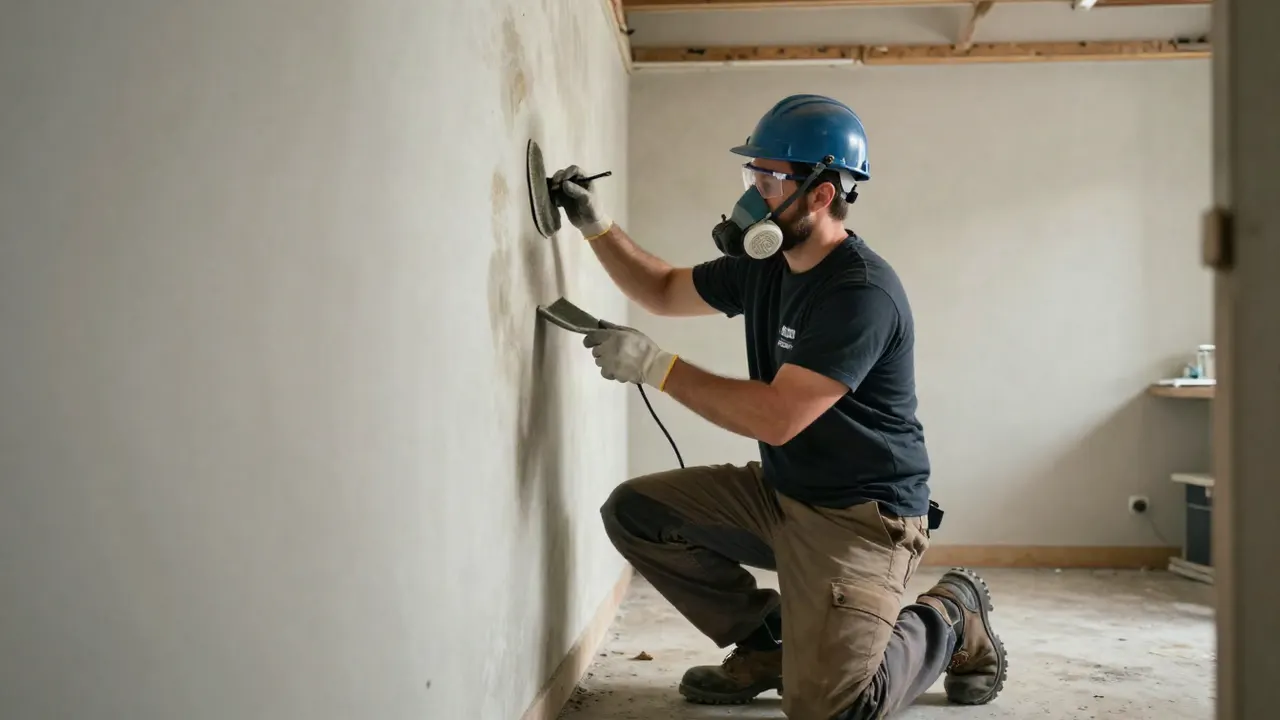 Mold Inspection and TestingAir and surface sampling tells us whether the wall cavity has a mold problem. That answer decides whether you need a simple drywall patch or full remediation first.Explore →
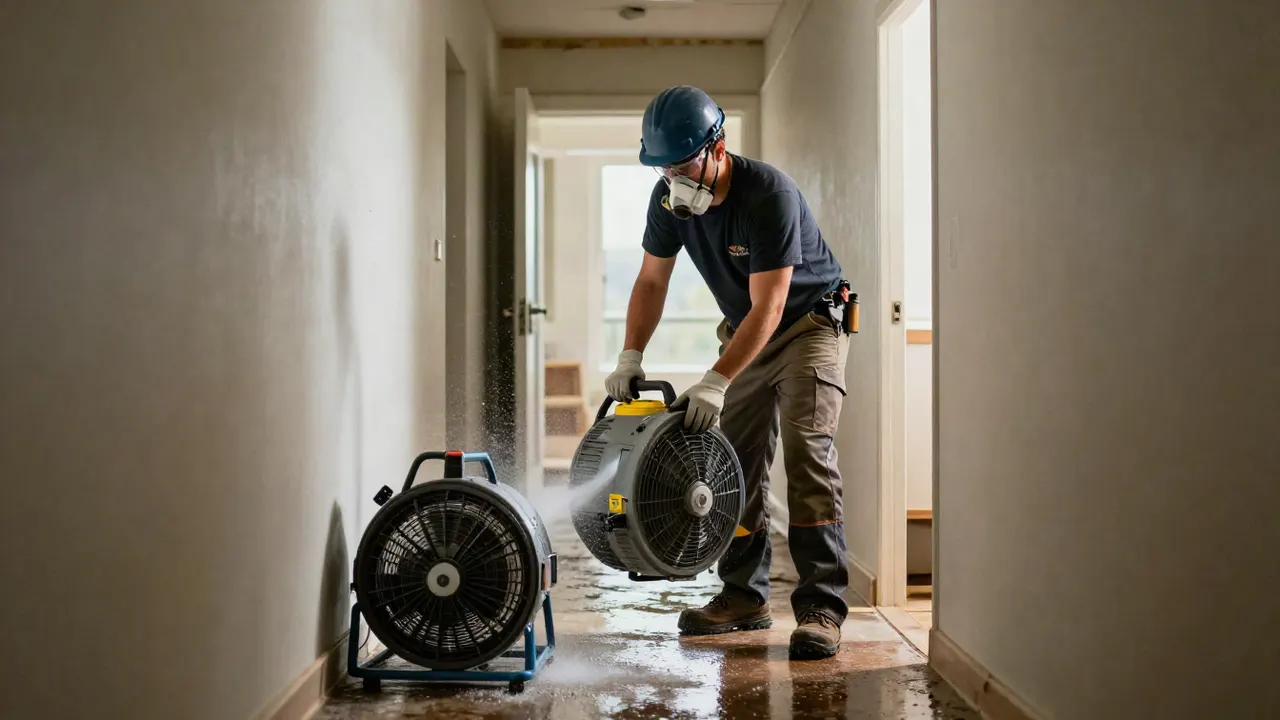 Dehumidification and DryingCommercial dehumidifiers pull moisture out of the air so the wall cavity can dry. This is the step that makes drywall repair last instead of trapping dampness behind new board.Explore →
Every hour a wet wall sits, the repair gets bigger. Call us at 571-760-4393 and we will dispatch a technician with moisture meters and drying equipment. IICRC-certified, Virginia DPOR licensed, and answering 24/7.
Call Now 5717604393 →Call us any time, day or night, at 571-760-4393. We answer live, ask a few questions to size the job, and dispatch the nearest crew. Most Falls Church addresses see a technician within 60 to 90 minutes. If you prefer email, send photos and a description to [email protected] and we will get back to you fast.