How to prevent frozen pipes in Falls Church winter
Falls Church pipes freeze when overnight temps drop below 20°F and crawl spaces sit unheated. Here's how to prevent it, thaw safely, and what repairs cost in 2026.
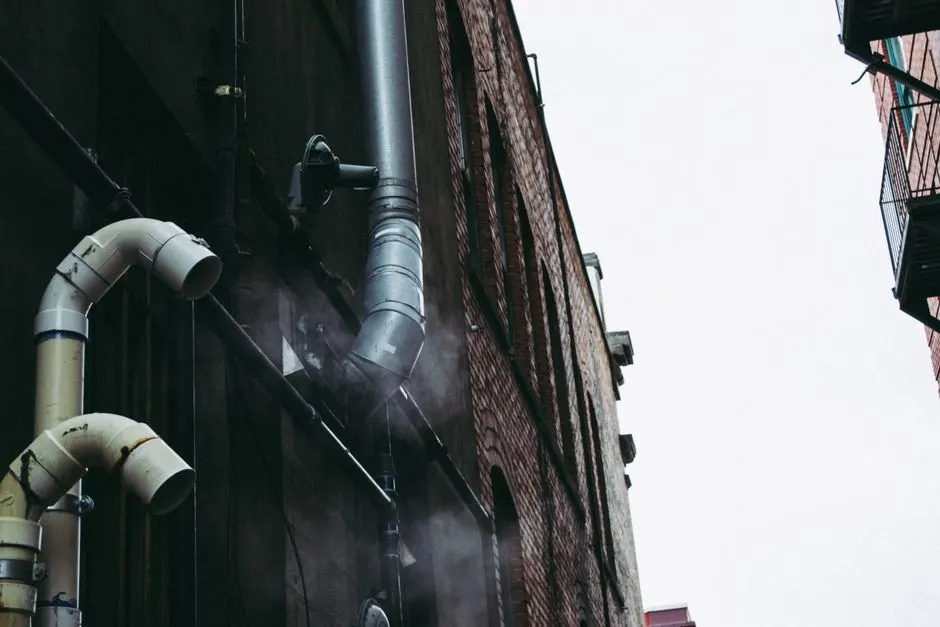
You prevent frozen pipes in Falls Church by keeping every exposed pipe above 32°F - sealing crawl space vents, insulating pipes in unheated basements and attics, dripping faucets on nights below 20°F, and shutting off exterior hose bibs before the first hard freeze. Falls Church winters routinely drop into the teens and low 20s between December and February, and that is when the calls start.
Here is what actually works, what it costs in 2026, and what to do the moment a pipe stops flowing.
Why Falls Church pipes freeze so fast
Falls Church pipes freeze fast because most of the housing stock here was built before 1970, and those homes have unheated crawl spaces, rim joists open to the wind, and supply lines running along exterior walls. Water freezes at 32°F, but pipes under real pressure can crack at 20°F or lower once the line has been sitting cold for six or more hours.
The geography matters too. Falls Church sits at roughly 300 feet elevation, and cold air drains off the surrounding ridges into the low spots - Seven Corners, the Route 7 corridor, and the older blocks near Broadmont. A house on a hill might stay at 28°F while a house 40 feet lower hits 19°F. That 9-degree difference is the difference between a dripping faucet and a burst copper line.
Wind is the other factor. A 15 mph wind at 22°F produces a wind chill near 8°F, and wind chill is what strips heat off an exposed pipe in a vented crawl space. If your crawl space has open foundation vents - and most pre-1980 Falls Church homes do - you are effectively running a refrigerator under your floor all winter.
How do I prevent frozen pipes in Falls Church winter?
Preventing frozen pipes in Falls Church comes down to four moves: insulate, seal, drip, and heat. Do all four and you cut your risk to near zero. Skip any one and you are gambling on the weather.
- Insulate every pipe in unheated space. Foam pipe sleeves (the 1/2-inch wall type, about $2 per 6-foot section at any Falls Church hardware store) on supply lines in the crawl space, attic, and garage.
- Seal the building envelope. Close foundation vents with rigid foam inserts, caulk around pipe penetrations where they pass through the rim joist, and weatherstrip the crawl space access door.
- Drip the farthest faucet. A pencil-lead-thin stream on any night forecast below 20°F. That moving water is what keeps the line from freezing solid.
- Add heat where it counts. A thermostatically controlled heat cable on the coldest run, or a small space heater in a closed utility room - never in a crawl space without a thermostat.
Set your thermostat to 58°F minimum, day and night, even when you travel. We have walked into more than a few Falls Church homes in January where the owner dropped the heat to 50°F for a weekend trip and came home to a flooded first floor.
Pipe insulation that actually works in Falls Church
Pipe insulation in Falls Church has to survive a real winter, not a mild one. The cheap 3/8-inch foam sleeves you see at big-box stores slow heat loss but do not stop it. For a crawl space that sees 18°F air for six hours, you want 1/2-inch or thicker closed-cell foam, and you want every joint taped, not just slipped on.
Here is what we install and why:
- Closed-cell foam sleeves - best for straight runs, cheap, easy to cut. Use 1/2-inch wall minimum.
- Fiberglass wrap with a sealed jacket - better for elbows and valves, where foam sleeves leave gaps.
- Self-regulating heat cable - the only real fix for a pipe that runs along an exterior wall or through an unheated attic. It draws about 3 to 5 watts per foot and only runs when the pipe drops below 40°F.
- Rigid foam board on the rim joist - 2-inch polyiso cut to fit between floor joists, sealed with spray foam. This is the single highest-value upgrade in an older Falls Church crawl space.
If your home has a wet basement or a crawl space that has flooded before, insulation alone will not save you. Water sitting against a foundation wall pulls heat out of the slab and the pipes above it. We handle that side of the problem through Crawl Space Water Removal Falls Church VA, and it is worth doing before the ground freezes hard.
What should I do if my pipes freeze in Falls Church VA?
If your pipes freeze in Falls Church, shut off the main water valve first, then open the nearest faucet and thaw the pipe slowly with a hair dryer, heat gun on low, or wrapped towels soaked in hot water. Never use an open flame. A propane torch on a copper line will ignite the framing behind it in seconds.
Work from the faucet end back toward the frozen section. That gives the melting water somewhere to go and relieves pressure on the joint. If you cannot find the frozen section within 20 minutes, or if you see any bulging, weeping, or discoloration on the pipe, stop and call us. A pipe that has already cracked will spray the moment it thaws.
Once water is flowing again, watch the pipe for 30 minutes. Turn the main back on slowly, then check every joint you can reach with a dry paper towel. Small pinhole leaks from freeze stress often do not show up until the line is back at full pressure.
If the thaw releases a burst, the first hour matters more than anything else you do. Our team runs Emergency Water Extraction Falls Church VA around the clock, and getting standing water out of a finished basement within 24 hours is the difference between a dry-out and a mold job.
Common mistakes that lead to burst pipes
The mistakes that lead to burst pipes in Falls Church are almost always the same five, and every one of them is avoidable.
- Leaving the hose connected. A garden hose left on the spigot traps water in the bib. That water freezes, expands, and splits the pipe inside the wall - often 6 to 10 feet back from the exterior.
- Closing the crawl space vents with plastic sheeting only. Plastic traps moisture against the joists and does nothing for the pipes. Use rigid foam inserts that fit the vent frame.
- Turning the heat way down for a trip. 58°F is the floor. Below that, the interior walls of your home drop toward outdoor temps.
- Dripping only one faucet. Drip the faucet farthest from where the main enters the house - that is the line with the longest cold run.
- Ignoring a slow drain. A partially clogged drain line can freeze and crack just like a supply line. If a sink is draining slow in December, snake it before January.
One more: do not open the cabinet doors under a kitchen or bathroom sink that sits on an exterior wall and then close them again. Leave them open through the cold snap so warm room air reaches the pipes. It looks odd. It works.
When to call a professional
Call a professional when you cannot locate the frozen section, when the pipe has already cracked, or when the freeze has happened more than once on the same line. A repeat freeze means the insulation and air sealing are wrong, and no amount of dripping will fix a design problem.
We handle frozen and burst lines across Falls Church every winter. Our technicians carry thermal imaging cameras to find the frozen section without cutting into drywall, and we can thaw, repair, and dry the affected area in one visit. If a pipe has already let go, we move straight into Pipe Burst Cleanup Falls Church VA - extraction, structural drying, and moisture readings until the framing is back to baseline.
We also see the second-order damage: wet insulation, stained ceiling drywall, and musty odors that show up two weeks later. If you have had a freeze event, it is worth having us check the assembly behind the wall. You can reach our team through Water Damage Restoration Falls Church VA for anything from a single wet wall to a full basement.
Frequently Asked Questions
How much does frozen pipe repair cost in Falls Church?
Typical 2026 pricing in Falls Church runs $250 to $600 to thaw and repair a single accessible pipe, and $1,200 to $4,500 when the repair requires opening drywall and drying the cavity. Full basement restoration after a burst can exceed $8,000 depending on square footage and flooring.
Does insurance cover frozen pipe damage in Falls Church?
Most standard homeowners policies in Virginia cover sudden and accidental water damage from a burst pipe, including drywall, flooring, and contents. They typically do not cover the pipe repair itself or damage from a home left unheated. Document everything with photos before cleanup starts.
Who do I call for frozen pipes in Falls Church?
Call a licensed restoration company that handles both thawing and water damage - not just a plumber. Water Damage Falls Church VA responds 24/7, thaws the line, repairs the break, and dries the structure so you are not coordinating three separate contractors.
At what temperature do pipes freeze in Falls Church?
Pipes begin freezing at 32°F, but the real risk in Falls Church starts when overnight lows hit 20°F and stay there for six or more hours. Exposed pipes in vented crawl spaces can freeze at 24°F if wind is pulling heat off them.
Should I leave my faucet dripping all winter?
No - drip only on nights forecast below 20°F, and only the faucet farthest from the main. Running water all winter wastes hundreds of gallons and can wear out the valve. A pencil-lead stream is enough to keep the line moving.
Get help with Water Damage in Falls Church
If a pipe has already frozen, cracked, or flooded a room, we are the local team that handles the whole job - thaw, repair, extract, and dry. We serve every neighborhood in Falls Church, from Downtown to West Falls Church.
Call 571-760-4393 and we will be on our way.